German Shepherds are incredible dogs—loyal, intelligent, and always ready for action. Whether you’re welcoming a fluffy puppy into your home or working with a high-energy adult, training this breed can be one of the most rewarding experiences. But here’s the thing: if you’re not consistent, all that potential can fizzle out faster than a chewed-up slipper. Consistency isn’t just a buzzword in dog training; it’s the secret sauce that turns a smart but stubborn Shepherd into a well-behaved family member. In this guide, we’ll dive deep into why consistency matters so much for German Shepherd training, how to make it a habit, and the real-world benefits you’ll see when you stick to it. If you’re a new owner scrolling through German Shepherd training tips, this is your roadmap to success.
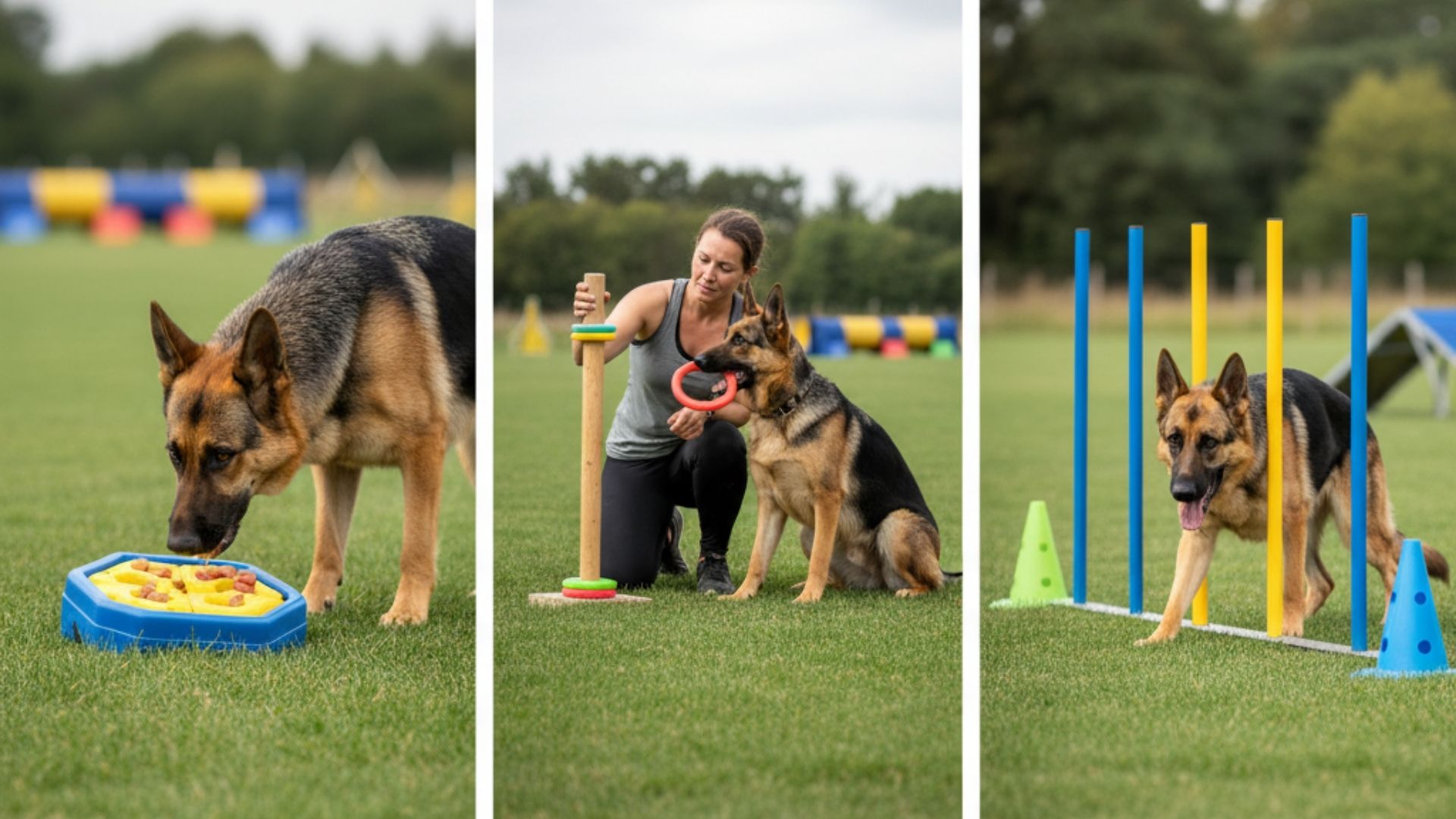
Using Play as a Training Tool for German Shepherds
Understanding the German Shepherd Temperament
Before we get into the nitty-gritty of training techniques, let’s talk about what makes German Shepherds tick. These dogs aren’t your average couch potatoes. Bred originally as herding and guarding dogs in Germany over a century ago, German Shepherds are wired for work. They’re highly intelligent, ranking among the top five smartest breeds according to canine psychologists. This smarts means they pick up commands quickly, but it also means they get bored easily and can become willful if they’re not mentally stimulated.
Picture this: Your German Shepherd puppy, with those big paws and endless curiosity, testing boundaries left and right. They’re protective by nature, which is great for security roles, but without clear guidance, that protectiveness can tip into overprotectiveness or even reactivity. German Shepherds thrive on structure because their herding instincts make them natural leaders—they want to know who’s in charge, and they respect handlers who are firm but fair.
Inconsistent signals confuse them. One day, jumping on guests is cute; the next, it’s a scolding. To a Shepherd, that’s mixed messages, leading to anxiety or shutdown. Understanding this temperament is step one in German Shepherd training: they’re eager learners who need predictability to channel their energy positively.
Why Consistency is Crucial for Effective Training

At its core, consistency in dog training is about creating a clear communication channel between you and your pup. Dogs, especially sharp ones like German Shepherds, learn through repetition and association. When you use the same cue for “sit” every single time—whether it’s a family walk or a vet visit—your dog builds a mental map: “Sit means butt on the ground, and good things follow.”
Research and expert trainers agree: Inconsistent training slows progress and amps up stress. For German Shepherds, who often serve in police, search-and-rescue, or therapy roles, this reliability is non-negotiable. Imagine a K-9 unit dog hesitating on a command because the handler’s moods vary—that’s not just frustrating; it’s dangerous.
Consistency also builds trust. Your Shepherd looks to you as the pack leader. When rules are steady, they feel secure, reducing behaviors like excessive barking or chewing born from uncertainty. Positive reinforcement—treating good behavior consistently—amplifies this. Studies show dogs trained with uniform methods achieve behavioral reliability up to 40% faster. In short, consistency isn’t optional; it’s the foundation of turning your German Shepherd’s raw intelligence into polished obedience.
Building a Strong Foundation: Key Principles of Consistent Training

So, how do you actually build this foundation? Start with the basics: short, daily sessions that fit into your life. German Shepherd puppies, from 8 weeks to 6 months, have short attention spans—aim for 5-10 minutes, two to three times a day. Use high-value rewards like kibble or a favorite toy to keep them engaged.
Key principle one: Uniform cues. If “down” means lie flat for you but “lie down” for your spouse, confusion reigns. Agree on commands as a household and stick to them. Apps or training journals can help track progress, ensuring everyone’s on the same page.
Principle two: Timing is everything. Reward within seconds of the behavior—delay, and your dog connects the treat to something else entirely. For German Shepherds, who excel in obedience, layering in distractions early (like practicing “stay” amid household noise) reinforces the habit.
Finally, blend training into routines. Mealtime becomes a “sit-stay” drill; walks turn into heel practice. This seamless integration makes consistency feel natural, not like a chore.
Common Pitfalls and How to Avoid Them
Even the most dedicated owners slip up. One big mistake? Inconsistent enforcement. You let your Shepherd pull on the leash once because you’re late—boom, that behavior strengthens. Avoid this by setting non-negotiable rules from day one. No jumping? Turn away every time, no exceptions.
Another trap: Overlooking socialization. German Shepherds can be wary of strangers if not exposed early and consistently. Skipping puppy classes or varied outings leads to fear-based reactivity. Counter it with weekly “adventure days”—controlled meets with new people, dogs, and environments.
Punishment pitfalls are sneaky too. Yelling or harsh corrections erode trust, especially in sensitive Shepherds. Swap scolds for redirects: If they chew the wrong toy, calmly swap it for the right one and praise. And don’t repeat cues endlessly—”Sit, sit, sit!” teaches them to ignore until the third try. Say it once, then guide physically if needed.
Family buy-in is crucial. If kids treat the dog like a jungle gym while adults demand calm, inconsistency breeds chaos. Hold a quick family meeting: Outline rules, demonstrate techniques, and role-play scenarios. It’s a small step that pays off big.
Practical Tips for Implementing Consistency in Daily Routines
Ready to put this into action? Here’s a toolkit tailored for German Shepherd owners.
Tip 1: Create a Training Schedule. Map out your week: Mornings for recall drills in the yard, evenings for impulse control like “leave it.” Use a wall calendar or app to log wins—seeing progress motivates you both.
Tip 2: Leverage Their Work Ethic. German Shepherds love jobs, so gamify training. Hide-and-seek builds recall; agility setups at home sharpen focus. Consistency shines when fun meets structure.
Tip 3: Handle Setbacks Gracefully. Puppies regress—teething brings nipping, adolescence (around 6-18 months) tests independence. Don’t panic; double down on positives. If a session flops, end on a high note with a simple trick they nail.
Tip 4: Incorporate Rest and Recovery. Overtraining leads to burnout. Alternate high-energy days with chill ones, like puzzle toys for mental workouts. Consistency includes balance—your Shepherd needs downtime to process lessons.
Tip 5: Seek Pro Help if Stuck. A certified trainer can spot inconsistencies you miss. Look for positive-reinforcement pros experienced with working breeds.
These tips aren’t rocket science, but applying them daily transforms chaos into harmony.
The Long-Term Rewards of Consistent Training
Stick with it, and the payoffs are huge. Consistent German Shepherd training yields a confident, adaptable dog who’s a joy to live with. Behaviorally, you’ll see fewer issues like separation anxiety or leash pulling—trained dogs are 70% less likely to develop destructive habits.
The bond deepens too. Your Shepherd tunes into your cues like a finely tuned radio, making everyday life smoother. Health perks? Regular exercise from training sessions keeps them fit, warding off obesity common in understimulated Shepherds.
Professionally, a consistently trained German Shepherd excels in advanced roles—therapy work, sports, or just being the ultimate hiking buddy. Owners report stronger emotional connections, with dogs mirroring their calm energy. It’s not just obedience; it’s partnership.
Training a German Shepherd is an adventure that demands patience, but consistency is your trusty compass. By understanding their drive, avoiding pitfalls, and weaving steady practices into your routine, you’ll unlock a loyal companion who’s as reliable as they are remarkable. Start small today—pick one command and nail it. Your future self (and your slippers) will thank you. Got questions on German Shepherd training? Drop a comment below—we’re all in this pack together.
References
- American Kennel Club (AKC). (2025). What Your Dog Trainer Wishes You Knew About Consistency. Retrieved from https://www.akc.org/expert-advice/training/consistency-in-dog-training/
- Proven Dog Training. (n.d.). The Importance of Consistency in Dog Training. Retrieved from https://www.provendogtraining.com/importance-of-consistency-in-training/
- K9 Mania Dog Training. (2025). The Power of Consistency in Dog Training. Retrieved from https://k9maniadogtraining.com/the-power-of-consistency-in-dog-training-why-it-matters/
- American Kennel Club (AKC). (2021). How to Train a German Shepherd Puppy: Timeline 8 Weeks to 2 Years. Retrieved from https://www.akc.org/expert-advice/dog-breeds/puppy-training-timeline-for-your-german-shepherd-dog/