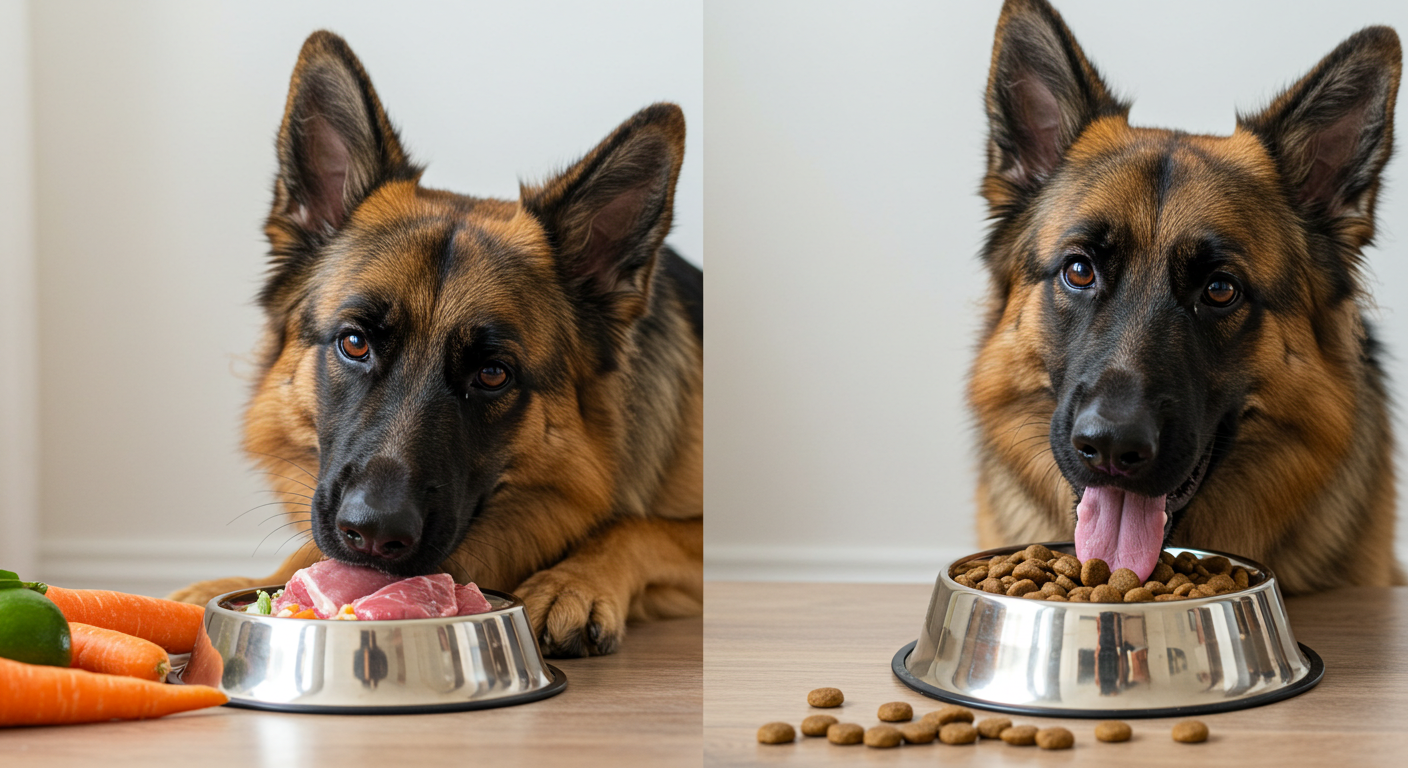
German Shepherds are renowned for their striking double coats—thick, weather-resistant outer layers paired with soft undercoats that keep them comfortable year-round. But beyond their impressive looks and loyal personalities, a healthy coat and skin are vital signs of overall well-being. As a breed prone to skin sensitivities and allergies, your German Shepherd’s diet plays a starring role in maintaining that glossy sheen and itch-free comfort. What you feed your furry companion isn’t just about filling their bowl; it’s about fueling the very barrier that protects them from the world.
In this guide, we’ll dive deep into how nutrition influences your German Shepherd’s coat and skin health. From essential fatty acids that combat inflammation to vitamins that promote shine, we’ll explore the building blocks of a vibrant coat. Whether your pup is battling dry patches, excessive shedding, or mysterious hot spots, tweaking their diet could be the game-changer you’ve been searching for. Let’s uncover why a nutrient-rich meal plan isn’t optional—it’s essential for your German Shepherd to thrive.
Dietary Strategies for Senior German Shepherds
Understanding the German Shepherd’s Skin and Coat Needs
German Shepherds have a unique dermal profile that demands targeted care. Their dense double coat serves as insulation against harsh weather, but it also makes them susceptible to issues like atopic dermatitis, flea allergies, and food sensitivities. Skin problems in this breed often manifest as redness, flakiness, or relentless scratching, which can escalate if underlying nutritional gaps are ignored.
The skin, making up about 12% of a dog’s body weight, is the largest organ and a nutrient powerhouse. It stores collagen for elasticity, enzymes for repair, and proteins for strength—demanding a steady supply from your dog’s diet. The coat, primarily keratin (a tough protein), relies on 35% of daily protein intake just for maintenance. For German Shepherds, whose active lifestyles burn through calories quickly, a subpar diet can tip the scales toward dull fur, brittle hair, or inflamed skin faster than in less energetic breeds.
Genetics play a part too; many German Shepherds inherit sensitivities to common proteins like beef or grains, leading to allergic reactions that show up first on the skin. But here’s the good news: a balanced, breed-specific diet can fortify their natural defenses, reducing flare-ups and promoting resilience. By prioritizing bioavailable nutrients—those easily absorbed—you’re not just treating symptoms; you’re building a foundation for lifelong vitality.
Essential Nutrients for a Healthy Coat and Skin
A thriving coat and skin start with the right mix of macros and micros. German Shepherds need diets tailored to their size and energy levels, with an emphasis on ingredients that support dermal repair and hydration. Let’s break down the must-haves.
Omega Fatty Acids: The Unsung Heroes of Hydration and Anti-Inflammation
At the top of the list are omega-3 and omega-6 fatty acids, the dynamic duo for skin barrier function. Omega-3s, like EPA and DHA from fish oils, act as natural anti-inflammatories, easing redness and itchiness from allergies. They strengthen the skin’s lipid layer, locking in moisture and warding off bacterial invaders—crucial for German Shepherds prone to hot spots.
Omega-6s, such as linoleic acid from vegetable oils, promote cell growth and a glossy sheen but must be balanced to avoid excess inflammation. Aim for a 5:1 ratio of omega-6 to omega-3 in your dog’s food. Sources like salmon, flaxseeds, and krill oil deliver these powerhouses without overwhelming the system. Owners often report softer fur and fewer vet visits after incorporating omega-rich toppers.
Proteins and Amino Acids: Building Blocks for Strength and Shine
High-quality proteins aren’t just for muscle; they’re the scaffolding for keratin production. German Shepherds require at least 22-32% protein in their diet, sourced from novel options like duck or lamb to sidestep common allergens. Amino acids like methionine and cystine fuel hair growth, while incomplete proteins from low-end kibble can lead to sparse, brittle coats.
Think of protein as the contractor renovating your dog’s exterior: without premium materials, the job falters. Opt for whole sources—chicken, eggs, or organ meats—that provide complete profiles, ensuring every strand of fur is robust and resilient.
Vitamins: Repair, Protection, and Radiance
Vitamins are the maintenance crew keeping things polished. Vitamin A kickstarts skin cell turnover, preventing clogged pores and dullness; it’s abundant in sweet potatoes and liver. Vitamin E, a potent antioxidant, shields cells from oxidative stress, enhancing fat absorption for better hydration—pair it with omegas for maximum effect.
B vitamins, including biotin and riboflavin, supercharge metabolism, turning proteins into plush undercoats. Deficiencies here spell trouble: slow hair regrowth or flaky scalps. A sprinkle of cranberries or oats can boost these naturally, adding anti-inflammatory perks for allergy-prone pups.
Minerals: The Hidden Guardians Against Irritation
Don’t overlook minerals like zinc and copper, which are non-negotiable for immune support and pigmentation. Zinc regulates oil production and fights infections, vital for German Shepherds battling yeast overgrowth. Copper aids melanin formation for that signature black-and-tan vibrancy, while selenium teams up with vitamin E to banish dryness.
These trace elements work synergistically; a zinc shortage hampers omega utilization, cascading into widespread issues. Leafy greens, chia seeds, and beef liver are mineral goldmines, but absorption matters—pair with vitamin C from berries for better uptake.
How Poor Diet Affects Your German Shepherd
Neglect the plate, and the problems pile up. A diet skimping on essentials can weaken the skin barrier, inviting allergens and pathogens. Common culprits? Grain-heavy fillers that trigger sensitivities, leading to chronic ear infections or paw-licking marathons in German Shepherds.
Excess carbs spike inflammation, dulling coats and exacerbating shedding seasons. Fat deficiencies dry out the dermis, causing cracks and secondary infections. We’ve seen it time and again: a switch from bargain-bin kibble to nutrient-dense fare transforms a mangy mess into a majestic mane. Early signs like excessive dander or bald patches? They’re your dog’s SOS for dietary intervention.
Recommended Diets and Foods for Optimal Skin Health
Choosing the right fuel is straightforward with a little guidance. Focus on AAFCO-approved formulas meeting adult maintenance needs (around 1,300-1,800 calories daily for a 70-pound German Shepherd, adjusted for activity).
Commercial Foods: Convenience with Quality
Hypoallergenic lines shine here. Hill’s Prescription Diet z/d uses hydrolyzed proteins to minimize reactions, while Royal Canin German Shepherd Adult supports joint and skin health with omega blends. For over-the-counter wins, Purina Pro Plan Sensitive Skin & Stomach Salmon formula packs EPA for inflammation control. Look for labels boasting “added omegas” and “antioxidant-rich”—they’re tailored for breeds like yours.
Homemade or Fresh Options: Personalized Power
DIY enthusiasts, rejoice: A base of lean turkey, brown rice, and steamed veggies covers basics, but rotate proteins to dodge allergies. Fresh toppers like boiled eggs (for biotin) or baked salmon (for DHA) elevate any meal. Remember, home-cooked requires vet balancing to hit nutrient targets—overdo liver, and copper toxicity looms.
Supplements: The Smart Boost, Not a Band-Aid
When food falls short, supplements bridge gaps. Fish oil capsules (1,000mg EPA/DHA daily) hydrate without calories, but start low to avoid tummy woes. Probiotic blends nurture the gut-skin axis, curbing allergy triggers. Always vet-approved—excess zinc can unbalance copper.
Tips for Transitioning to a Skin-Friendly Diet
Change is stressful for discerning eaters, so ease in over 7-10 days: 25% new food mixed with 75% old, gradually flipping the ratio. Monitor stools and energy; itch relief may take 4-6 weeks. Hydration helps—wet food or broth toppers flush toxins. Seasonal tweaks? Amp omegas in winter for dryness defense.
Track progress with photos: Measure shedding volume or scratch frequency. Pair diet shifts with flea preventives and gentle baths using oatmeal shampoos for holistic harmony.
When to Consult a Veterinarian
Diet tweaks work wonders, but persistent issues scream for pro input. If scratching disrupts sleep, bald spots spread, or infections recur, rule out parasites, hypothyroidism, or environmental allergies first. Vets may recommend elimination trials—eight weeks of novel protein to ID culprits—or bloodwork for deficiencies. Early action prevents chronic woes, keeping your German Shepherd adventure-free.
In wrapping up, your German Shepherd’s coat and skin are mirrors of their inner health, and diet holds the polish. By embracing nutrient-dense choices, you’re gifting them comfort, confidence, and that head-turning glow. Feed smart, love hard, and watch your loyal shadow shine brighter than ever.
References
- Scott, H. (2025, September 12). The Impact of Nutrition on Dog Skin Conditions. PetMD. https://www.petmd.com/dog/impact-nutrition-dog-skin-conditions
- German Shepherd Shop. (2024, March 1). The Role of Diet in Managing German Shepherd Skin Conditions: Nutritional Advice for Maintaining Healthy Skin and Coat. https://germanshepherdshop.com/blogs/list/the-role-of-diet-in-managing-german-shepherd-skin-conditions-nutritional-advice-for-maintaining-healthy-skin-and-coat
- Love and Kisses Pet Sitting. (2019, October 14). German Shepherd Food for Healthy Skin & Coat [Ultimate List]. https://loveandkissespetsitting.net/german-shepherd-food-for-healthy-skin-coat-ultimate-list/
- American Kennel Club. (2024, December 4). Everything You Need to Know About Dog Food Allergies. https://www.akc.org/expert-advice/nutrition/dog-food-allergies/