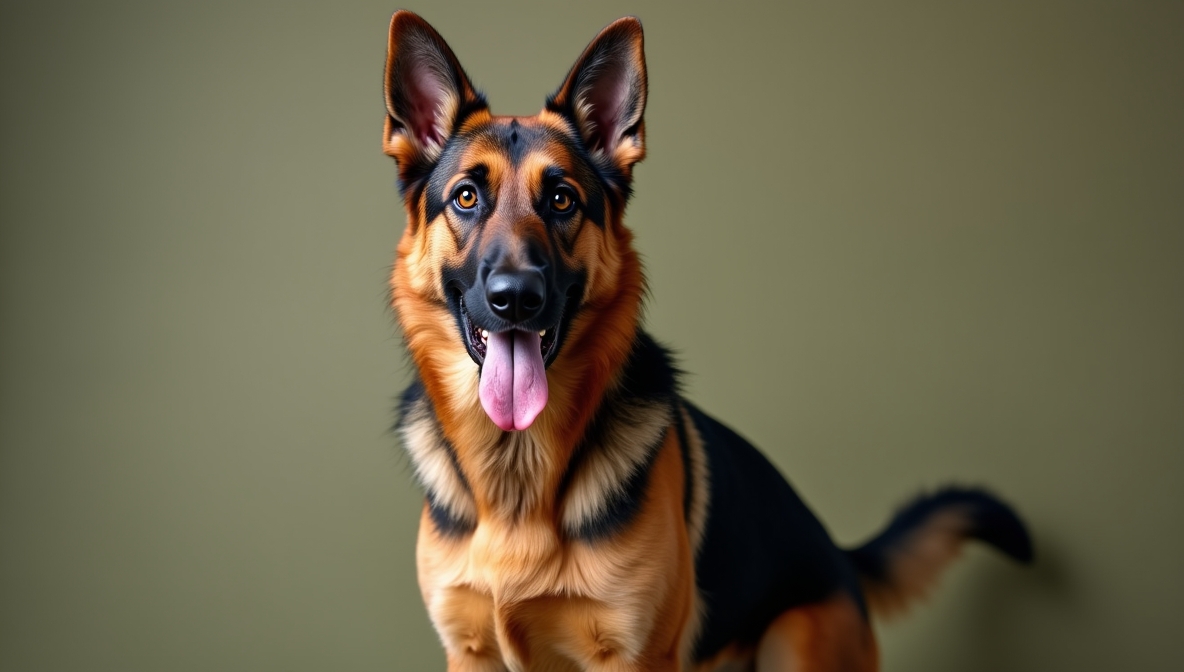
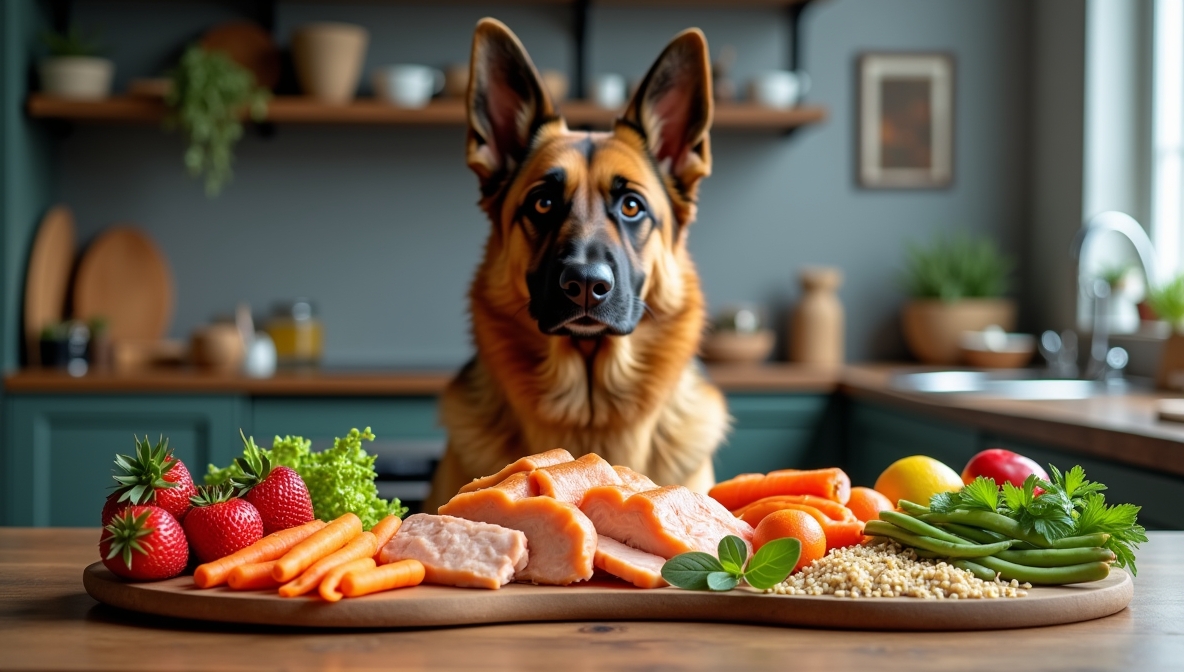
German Shepherds are the epitome of loyalty, intelligence, and strength—qualities that make them one of the most beloved dog breeds worldwide. But behind that majestic coat and alert demeanor lies a vulnerability that every owner should be aware of: digestive issues. These loyal companions, with their deep-chested builds and active lifestyles, are particularly prone to gastrointestinal (GI) troubles that can range from mild tummy upsets to life-threatening emergencies. Whether it’s the notorious bloat (gastric dilatation-volvulus, or GDV), exocrine pancreatic insufficiency (EPI), or chronic food sensitivities, digestive problems in German Shepherds can disrupt their energy, appetite, and overall well-being if left unchecked.
Why does this breed face higher risks? Genetics play a big role—German Shepherds are predisposed to conditions like EPI, where the pancreas fails to produce essential digestive enzymes, leading to malabsorption and weight loss despite a hearty appetite. Their large size and deep chests also heighten the chances of GDV, a rapid-onset crisis where the stomach fills with gas and twists, cutting off blood flow. Add in factors like stress from high-energy training or dietary indiscretions (hello, table scraps), and you’ve got a recipe for discomfort.
The good news? Knowledge is power. By understanding the signs, causes, and management strategies for German Shepherd digestive issues, you can keep your furry friend thriving. This guide dives deep into the most common problems, how to spot them early, and practical steps for prevention and care. Let’s ensure your Shepherd’s gut stays as strong as their spirit.
Dietary Strategies for Senior German Shepherds
Common Digestive Issues in German Shepherds
German Shepherds’ digestive systems can be finicky, often due to their breed-specific traits. From acute flare-ups to ongoing sensitivities, here’s a breakdown of the top culprits affecting this breed’s gut health.
Gastric Dilatation-Volvulus (GDV): The Silent Emergency Known as Bloat
Picture this: Your German Shepherd, fresh from a romp in the yard, suddenly paces restlessly, drools excessively, and tries to vomit without success. This could be GDV, a terrifying condition where the stomach bloats with gas and twists on itself, trapping it and compressing vital organs. It’s especially common in deep-chested large breeds like German Shepherds, with dogs over 99 pounds facing up to a 20% lifetime risk.
What sparks GDV? The exact trigger is elusive, but culprits include gulping large meals, drinking excessive water post-exercise, stress, or even genetic predisposition. A first-degree relative with a history of bloat? That’s a red flag for breeding or ownership risks. Without prompt intervention, shock sets in quickly, with mortality rates hovering around 25-30%.
Pancreatitis: When the Pancreas Rebels
Pancreatitis hits when the pancreas—in charge of churning out digestive enzymes and insulin—becomes inflamed and starts digesting itself. For German Shepherds, this can stem from a fatty feast (think holiday ham scraps) or underlying issues like obesity or endocrine disorders. While not as breed-specific as EPI, large active dogs like Shepherds aren’t immune, especially if they’re prone to scavenging.
Acute cases strike fast with severe symptoms, while chronic ones simmer, eroding appetite and vitality over time. It’s a painful ordeal, often leaving owners scrambling as their dog hunches in discomfort.
Exocrine Pancreatic Insufficiency (EPI): The Enzyme Shortage
Unique to German Shepherds, EPI occurs when the pancreas’s acinar cells atrophy, slashing enzyme production and impairing nutrient absorption. Puppies as young as 6 months can show signs, but it often emerges between 1-5 years. Your once-ravenous Shepherd might wolf down food yet shed pounds, produce greasy stools, and develop a dull coat from malnutrition.
Linked to autoimmune destruction in this breed, EPI demands lifelong management but responds well to enzyme supplements sprinkled on meals.
Food Allergies and Intolerances: The Sneaky Saboteurs
Not true allergies in the immune sense, but intolerances to proteins like beef, chicken, or grains can wreak havoc on a German Shepherd’s gut, causing chronic diarrhea, vomiting, and flatulence. Environmental allergies might overlap, manifesting as itchy skin alongside GI woes. Switching to novel proteins (duck or fish) or hydrolyzed diets often brings relief.
Gastroenteritis and Inflammatory Bowel Disease (IBD): Inflammation Overload
Gastroenteritis, an acute inflammation of the stomach and intestines, can stem from dietary changes, infections, or toxins, hitting German Shepherds with vomiting, bloody diarrhea, and lethargy. IBD, more chronic, involves immune-mediated irritation of the GI tract, leading to weight loss and inconsistent stools—prevalent in this breed per veterinary reports.
Recognizing the Signs: Symptoms to Watch For in Your German Shepherd

Early detection can mean the difference between a quick fix and a vet ER visit. Keep an eye out for these red flags in German Shepherd digestive issues:
- Vomiting or Regurgitation: Frequent or unproductive retching, especially with yellow bile.
- Diarrhea: Loose, watery, or bloody stools that persist beyond 24 hours.
- Abdominal Pain or Bloating: Whining, hunching (prayer position for pancreatitis), or a drum-like swollen belly.
- Appetite Changes: Sudden refusal of food or, in EPI, insatiable hunger without weight gain.
- Lethargy and Dehydration: Weakness, dry gums, sunken eyes, or skin that tents when pinched.
- Other Clues: Excessive gas, weight loss, or unusual behaviors like coprophagia (eating poop) in EPI cases.
If symptoms cluster—say, vomiting plus bloating—act fast. Dehydration hits large breeds like German Shepherds hard and fast.
How Vets Diagnose Digestive Problems in German Shepherds
Don’t play detective alone; a vet’s toolkit is essential. Diagnosis starts with a thorough history: What did Fido eat? Any recent stress? Expect bloodwork to check enzyme levels (for EPI or pancreatitis), fecal tests for parasites, and imaging like X-rays or ultrasounds to spot obstructions or twists in GDV. For IBD, biopsies might be needed via endoscopy. Breed-specific tests, like TLI for EPI, pinpoint issues unique to German Shepherds.
Effective Management and Treatment Strategies
Treatment hinges on the issue but emphasizes supportive care:
- For GDV: Emergency decompression via tube or needle, IV fluids, and surgery (gastropexy to anchor the stomach). Survival odds soar with quick action.
- Pancreatitis: Hospitalization for fluids, pain relief, and anti-nausea meds; transition to low-fat diets.
- EPI: Daily enzyme powders on kibble, plus vitamin B12 injections initially.
- Gastroenteritis/IBD/Allergies: Bland diets (boiled chicken and rice), probiotics, and meds like metronidazole; elimination trials for sensitivities.
Home care post-vet? Small, frequent meals of vet-recommended food keep things steady.
Prevention Tips for Optimal Gut Health in German Shepherds
Proactive steps can slash risks for digestive problems in German Shepherds:
- Dietary Discipline: Opt for high-quality, breed-specific formulas low in fat and fillers. Feed two to three small meals daily to avoid gulping—slow feeders help. Introduce new foods gradually.
- Exercise Smart: No vigorous play right after eating; wait 1-2 hours.
- Probiotics and Fiber: Boost gut flora with vet-approved supplements; add pumpkin for natural fiber.
- Routine Check-Ups: Annual bloodwork catches EPI early in at-risk Shepherds.
- Gastropexy: Consider prophylactic surgery during spay/neuter for GDV-prone dogs.
- Stress Management: Calm environments and training reduce anxiety-linked flares.
A hydrated, exercised Shepherd with a consistent routine is your best defense.
When to Seek Veterinary Care Immediately
Trust your gut—if your German Shepherd shows signs of distress like collapse, unrelenting pain, or bloody vomit/stools, head to the ER without delay. For milder issues persisting over 24-48 hours, schedule a same-day vet visit. Better safe than sorry; early intervention saves lives and wallets.
Wrapping It Up: Keeping Your German Shepherd’s Tummy Happy
Digestive issues don’t have to derail the joy of owning a German Shepherd. By staying vigilant about symptoms, leveraging vet expertise, and prioritizing prevention, you can help your dog maintain that vibrant, tail-wagging life they deserve. Remember, a healthy gut fuels their protective instincts and endless energy. If you’re noticing tummy troubles, chat with your vet today—your Shepherd will thank you with sloppy kisses.
References
- VCA Animal Hospitals. (n.d.). Bloat: Gastric Dilatation and Volvulus in Dogs. Retrieved from https://vcahospitals.com/know-your-pet/bloat-gastric-dilatation-and-volvulus-in-dogs
- PetMD. (2024, May 31). Pancreatitis in Dogs: Signs, Causes and Treatment. Retrieved from https://www.petmd.com/dog/conditions/endocrine/pancreatitis-in-dogs
- PetMD. (2025, October 16). German Shepherd Dog Breed Health, Care, and Training. Retrieved from https://www.petmd.com/dog/breeds/german-shepherd
- VCA Animal Hospitals. (n.d.). Gastroenteritis in Dogs. Retrieved from https://vcahospitals.com/know-your-pet/gastroenteritis-in-dogs
- Merck Veterinary Manual. (n.d.). Disorders of the Stomach and Intestines in Dogs. Retrieved from https://www.merckvetmanual.com/dog-owners/digestive-disorders-of-dogs/disorders-of-the-stomach-and-intestines-in-dogs