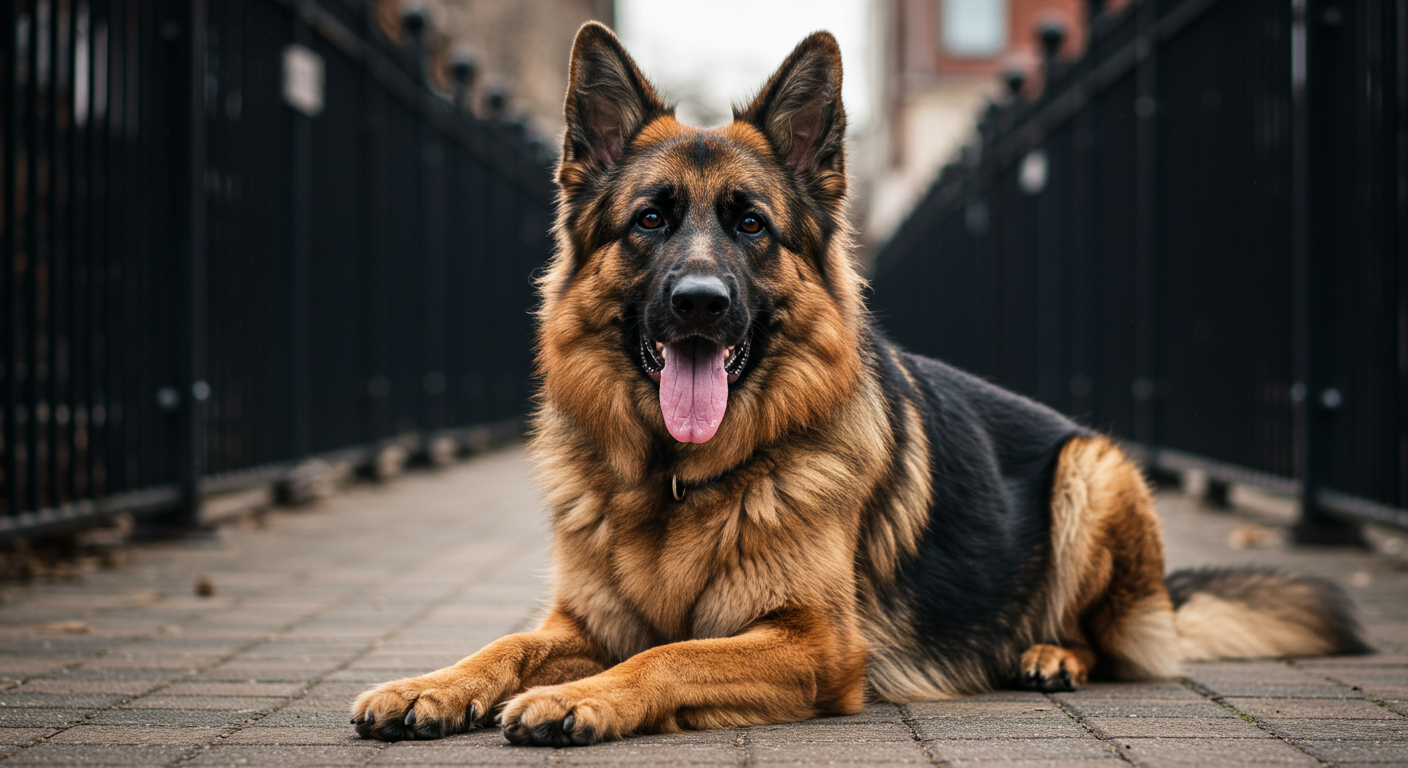
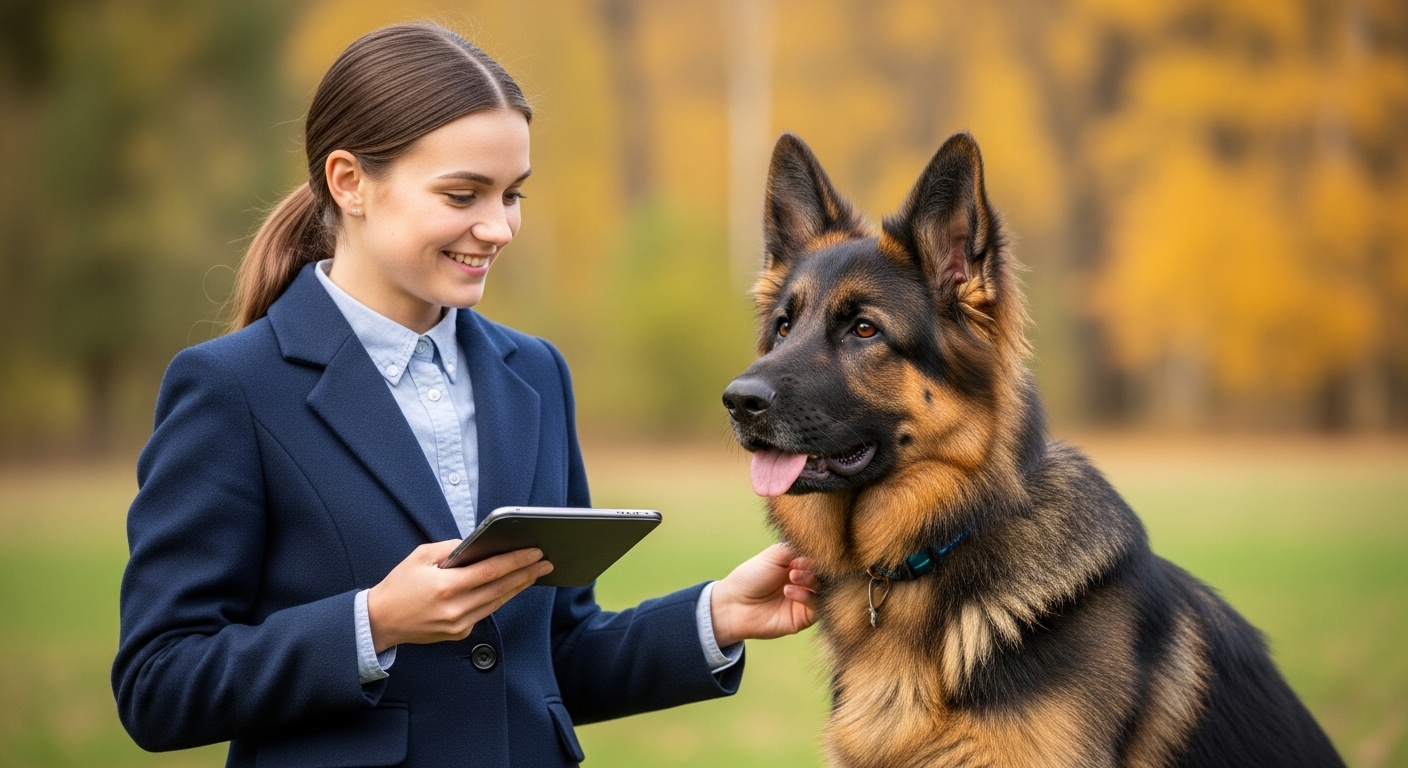
German Shepherds are one of the most iconic dog breeds out there—loyal companions, fearless protectors, and incredibly versatile working dogs. Whether you’re thinking about bringing home a fluffy puppy or just curious about the majestic shepherd trotting down your street, knowing if it’s a purebred can make all the difference. Purebred German Shepherds aren’t just about looks; they’re bred to meet specific standards that ensure health, temperament, and that signature intelligence. But with so many mixes and backyard breeds floating around, how do you tell the real deal from a look-alike?
In this guide, we’ll walk you through everything you need to know to spot a purebred German Shepherd. From their striking physical features to the paperwork that seals the deal, we’ll cover it step by step. By the end, you’ll feel confident spotting the difference—and maybe even avoid a few puppy-buying pitfalls. Let’s dive in.
Breeding Standards: How German Shepherds are Bred for Excellence
What Makes a German Shepherd “Purebred”?
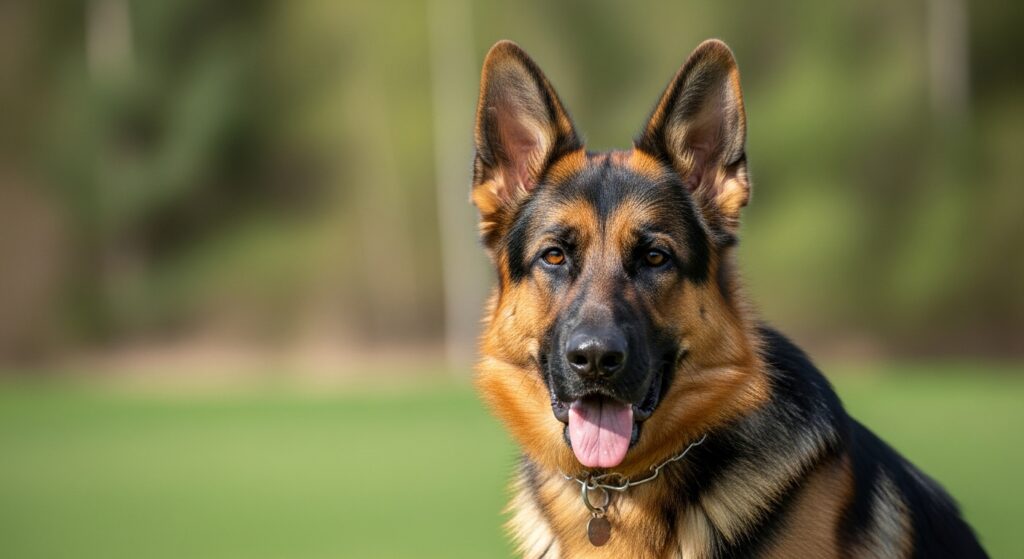
Before we get into the nitty-gritty, let’s clarify what “purebred” really means. A purebred German Shepherd comes from a long line of dogs that have been selectively bred to conform to established breed standards set by organizations like the American Kennel Club (AKC) or the Fédération Cynologique Internationale (FCI). These standards aren’t arbitrary; they’re designed to preserve the breed’s working heritage, which dates back to late 19th-century Germany, where these dogs herded sheep and guarded farms.
Purebreds aren’t perfect (no dog is), but they offer predictability in size, temperament, and health risks. If you’re eyeing a German Shepherd for family life, police work, or just as a running buddy, starting with a purebred gives you a solid foundation. Now, let’s break down the hallmarks.
Physical Characteristics: The Body of a True Shepherd
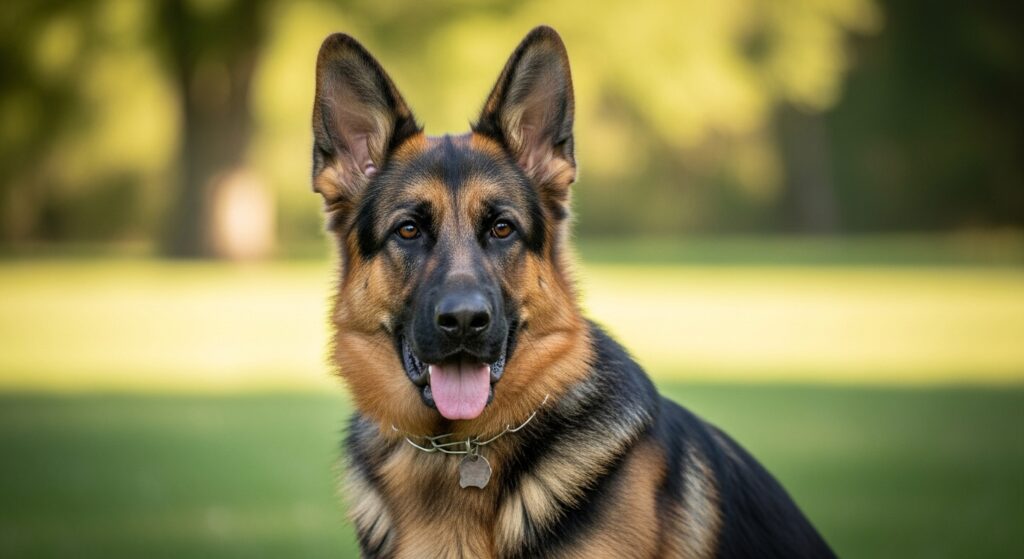
One of the quickest ways to eyeball a potential purebred is by checking out its physique. German Shepherds are built like athletes—strong, balanced, and ready for action. According to the AKC breed standard, they should have a medium-sized frame that’s slightly longer than it is tall, with a deep chest and a level topline that doesn’t slope dramatically. Here’s what to look for:
Size and Proportions
Adult males typically stand 24 to 26 inches tall at the shoulder and weigh 65 to 90 pounds, while females are a bit more petite at 22 to 24 inches and 50 to 70 pounds. Puppies grow fast: By six months, expect them to hit around 50 pounds if they’re on track. A purebred won’t be scrawny or overly bulky—think “powerful and well-muscled” rather than “bulldozer on legs.” If the dog seems disproportionately leggy or stocky, it might have some mixed heritage, like a touch of Labrador or Husky.
Head and Facial Features
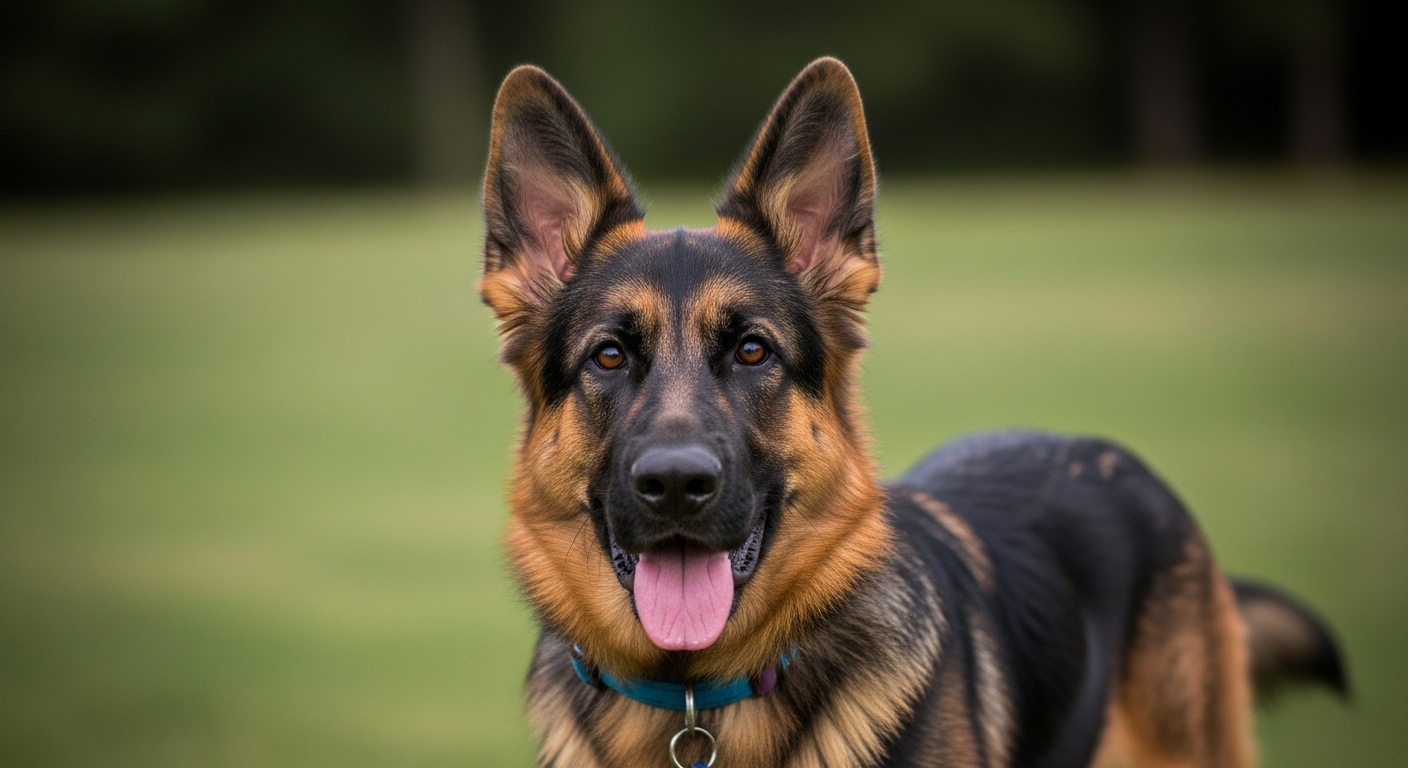
The head is a standout: wedge-shaped, noble, and proportional to the body, with a strong muzzle that’s not too short or snubbed. Almond-shaped brown eyes give that alert, intelligent gaze, and the nose should be black and pigment-rich—no pinkish tones here. Ears are the real giveaway—they’re medium-sized, erect, and carried forward like radar dishes. In puppies, they might flop for the first few months as cartilage strengthens, but by 4-6 months, they should perk up. Floppy ears in an adult? That’s a red flag for mixes or health issues.
Coat and Color Variations
German Shepherds rock a double coat: a dense undercoat for insulation and a straight-to-slightly-wavy outer coat that’s harsh to the touch. It’s medium-length overall, but you’ll notice longer fur around the neck (that luxurious “mane”), back of the legs, and underbelly. Shedding is epic—year-round with heavy “blowouts” twice a year—so a purebred will look plush but not overly groomed.
Color-wise, the classic is black and tan: rich tan on the legs, face, and underbelly with a black saddle across the back. Other accepted shades include sable (a mix of browns and blacks), all-black, or black and silver. White, blue, or liver (chocolate) coats? Those are disqualifiers in most standards and often signal a mix or separate variety like the White Swiss Shepherd. Panda patterns with white markings are cute but rare and not standard.
Movement and Stance
Watch how it moves. A purebred German Shepherd has a fluid, effortless gait—driving from the hindquarters with powerful thrusts. At rest, they “stack” naturally: front legs straight under the shoulders, hind legs slightly angled for balance. No bunny-hopping or awkward waddles; that’s more common in mixes.
Temperament: The Mind Behind the Muscle
Looks are just the start—purebred German Shepherds are wired for smarts and loyalty. Bred as herding and guard dogs, they should exude confidence without aggression. Expect a dog that’s aloof with strangers but velcro-glued to family, always scanning for threats.
Key Behavioral Traits
- Intelligence and Trainability: These dogs learn commands faster than most breeds. A purebred will thrive on mental challenges like puzzle toys or agility courses—if bored, expect mischief like counter-surfing.
- Protective Instinct: They’re natural guardians, distinguishing friend from foe with eerie accuracy. Early socialization is key to prevent overprotectiveness.
- Energy Levels: High-octane needs at least 60-90 minutes of daily exercise. A couch-potato Shepherd? Probably not purebred.
Puppies show this early: At 8 weeks, a purebred pup is curious and bold, not cowering or overly hyper. Remember, temperament can vary by line—show lines are calmer for homes, while working lines (like those from FCI standards) are more intense for sport or service.
Verifying Pedigree: The Paper Trail
Physical and behavioral checks are great, but nothing beats documentation. A true purebred comes with a pedigree—a family tree tracing at least three generations back to registered ancestors.
Registration Papers
Look for papers from the AKC, United Kennel Club (UKC), or FCI-affiliated clubs. These include a litter registration certificate with the pup’s microchip number, parents’ names, and breeder details. If buying from a breeder, they should provide this upon transfer—never “papers later.” Reputable breeders also share health clearances for hips, elbows, and eyes from organizations like OFA (Orthopedic Foundation for Animals).
DNA Testing for Confirmation
Doubtful about the papers? Grab a DNA kit from Embark or Wisdom Panel (around $100-150). Swab the cheek, mail it off, and get results in 2-4 weeks showing breed composition down to percentages. A purebred should clock in at 100% German Shepherd, though minor variations can occur from historical outcrossing. It’s not foolproof—bad breeding can still yield “pure” but unhealthy dogs—but it’s the gold standard for verification.
Pro tip: Cross-check the pedigree on sites like Pedigree Database or AKC’s lookup tools to spot fakes.
Health Considerations: Beyond the Surface
Purebreds aren’t immune to issues, but responsible breeding minimizes them. Look for parents screened for hip dysplasia (affects 20% of the breed), elbow dysplasia, degenerative myelopathy, and bloat. A purebred from health-tested lines should have longevity—10-13 years on average.
During your inspection, check for clear eyes, firm gait, and no excessive nervousness. Puppies should be from litters of 6-10, vaccinated, and dewormed.
Expert Tips from Breeders and Clubs
Chat with a mentor breeder or join a club like the German Shepherd Dog Club of America. They’ll tell you: Visit the litter, meet the parents (mama should embody the standard), and avoid “limited registration” scams. For working lines, check FCI ratings for drive and structure.
Common pitfalls? Impulse buys from pet stores (often puppy mills) or ignoring ear development. And remember, even purebreds need training—start obedience early.
Wrapping It Up: Your Path to the Perfect Purebred
Identifying a purebred German Shepherd is part detective work, part gut feel. By honing in on that balanced build, double coat, erect ears, and sharp mind—then backing it with papers and tests—you’ll land a dog that’s not just beautiful but built to bond. Whether for hikes, herding, or hearthside loyalty, a purebred Shepherd is worth the effort.
Ready to find yours? Start with AKC Marketplace or local rescues specializing in the breed. Your future best friend is out there—tail wagging and ears perked.
References
- American Kennel Club. (n.d.). German Shepherd Dog Breed Information. Retrieved from https://www.akc.org/dog-breeds/german-shepherd-dog/
- Fédération Cynologique Internationale. (2010). FCI-Standard N° 166: German Shepherd Dog. Retrieved from http://www.fci.be/nomenclature/standards/166g01-en.pdf
- wikiHow. (n.d.). 5 Ways to Identify a German Shepherd. Retrieved from https://www.wikihow.com/Identify-a-German-Shepherd
- American Kennel Club. (2021). Discover Your Dog’s Family Tree with an AKC-Certified Pedigree. Retrieved from https://www.akc.org/expert-advice/dog-breeding/discover-dogs-family-tree-akc-certified-pedigree/
- Pedigree Online. (n.d.). Dog Pedigree Database. Retrieved from https://dogs.pedigreeonline.com/