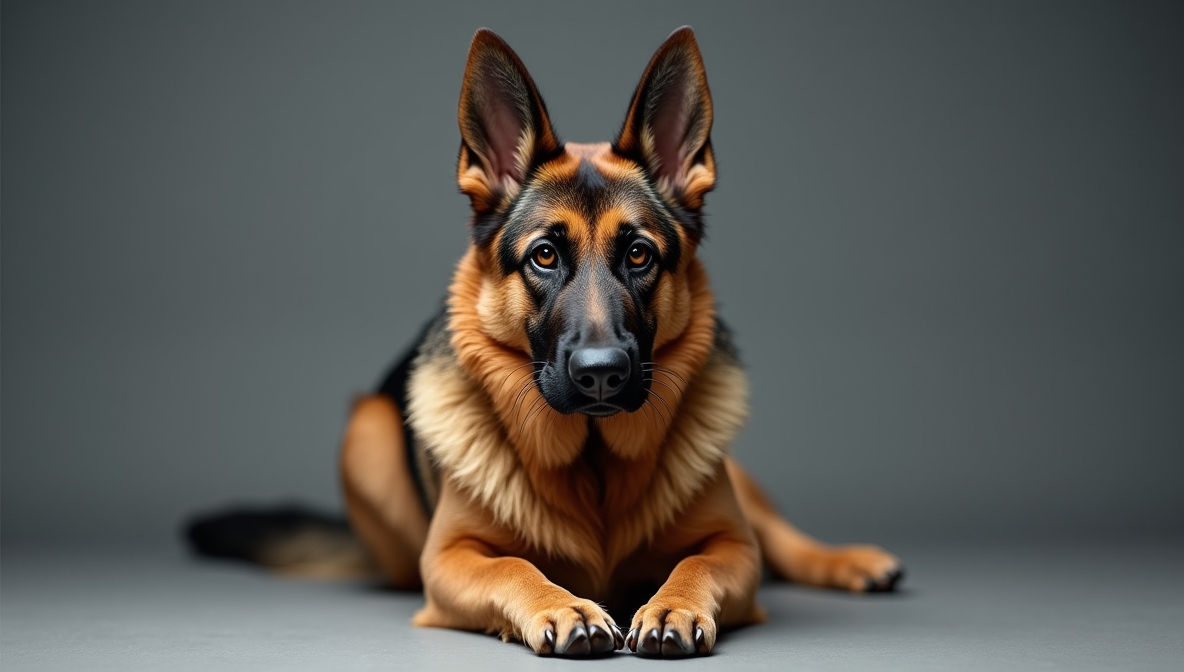
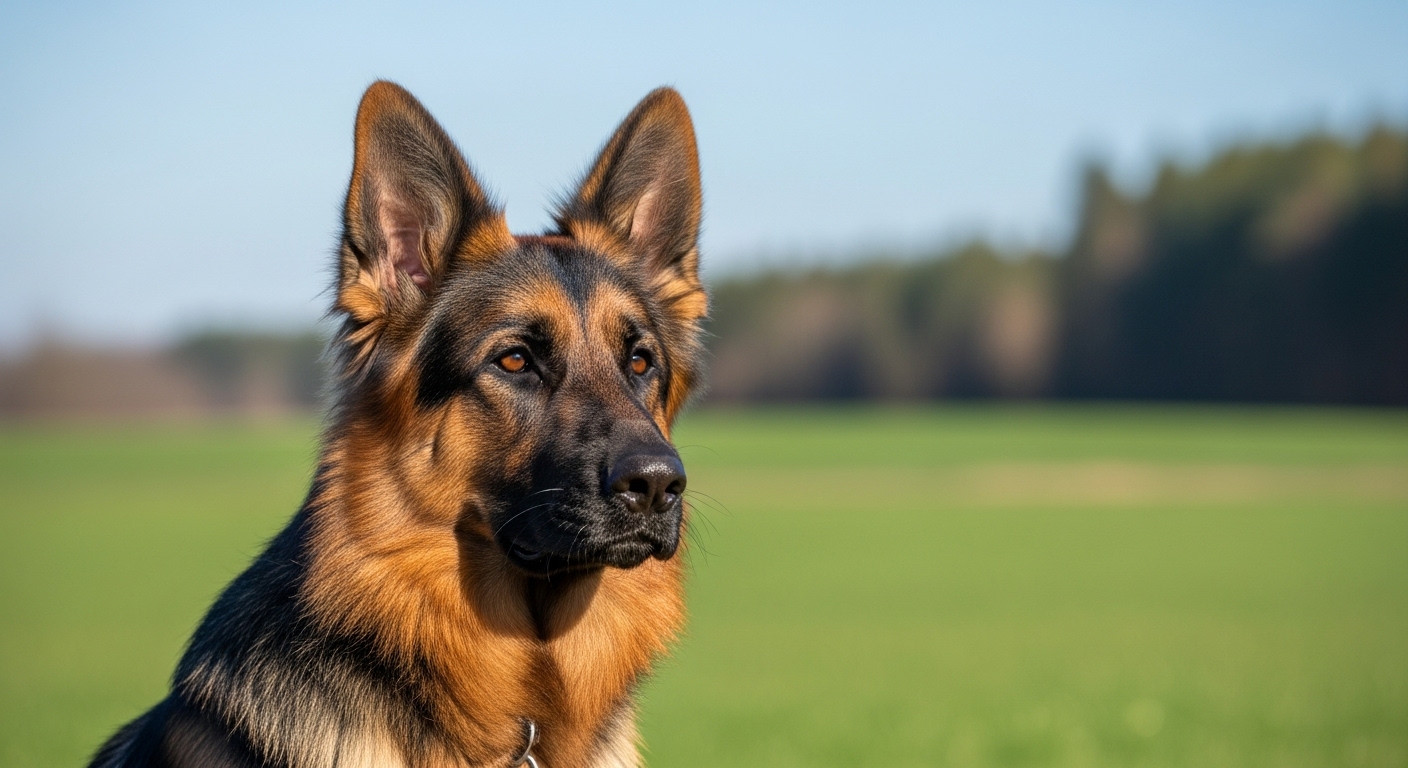
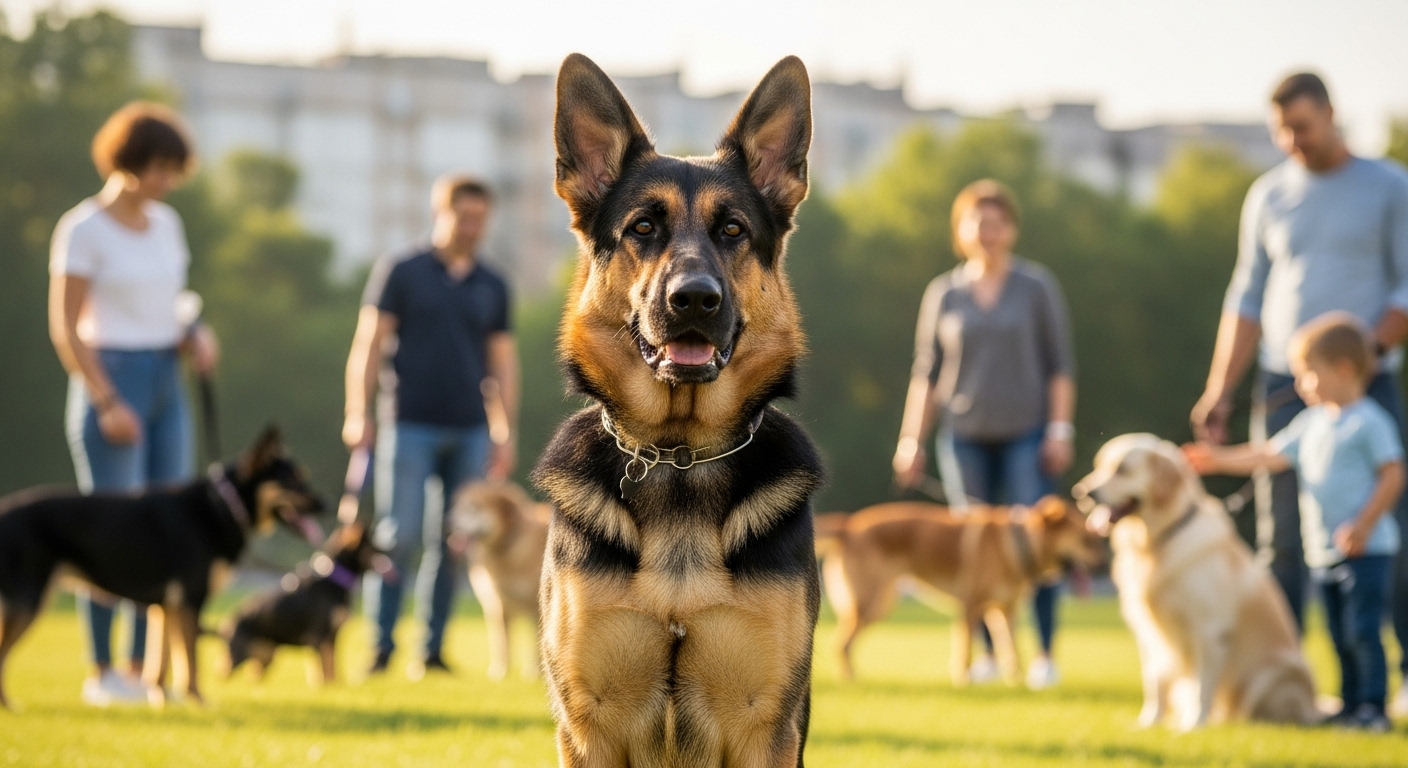
German Shepherds have long been synonymous with loyalty, intelligence, and unwavering courage—qualities that have made them indispensable partners in the world’s most high-stakes environments. From the muddy trenches of World War I to the explosive terrains of modern conflict zones, these versatile canines have served as scouts, messengers, sentries, and lifesavers. Often called the “world’s most versatile dog,” the German Shepherd’s journey in military operations is a testament to human-canine bonds forged in the fires of war. In this article, we’ll explore their storied past and evolving present role in military and law enforcement, shedding light on why they remain a cornerstone of K9 units today. Whether you’re a history buff, a dog enthusiast, or simply curious about how these majestic animals shape global security, dive in to discover the paws that have padded through battlefields for over a century.
The Impact of German Shepherds on International Law Enforcement
The Historical Roots: World War I and the Dawn of the War Dog
The German Shepherd’s military legacy traces back to the late 19th century, when the breed was meticulously developed in Germany by Max von Stephanitz. Bred initially as herding dogs, their innate intelligence, strength, and drive quickly caught the eye of military leaders. By the outbreak of World War I in 1914, German forces recognized their potential, deploying them as the first organized canine units in modern warfare. These dogs weren’t just mascots; they were tactical assets, performing roles that saved countless lives amid the chaos of trench warfare.
In the trenches, German Shepherds excelled as messengers, navigating no-man’s-land under heavy fire to deliver critical orders when human runners faced near-certain death. Their keen senses allowed them to detect gas attacks or incoming artillery before soldiers could, providing precious seconds for evacuation. Scouts and sentries were other vital duties—German Shepherds patrolled perimeters, alerting troops to enemy movements with silent efficiency. One estimate suggests over 20,000 dogs served on the Western Front alone, with German Shepherds forming the backbone due to their endurance and adaptability to harsh conditions.
Allied forces took note. The United States, entering the war in 1917, began experimenting with dogs sourced from Europe, including German Shepherds smuggled in by soldiers. Though the U.S. program was nascent, it laid the groundwork for future expansions. By war’s end, the breed’s reputation was sealed: not just a herder, but a warrior. This era also popularized the German Shepherd in American culture, thanks in part to Rin Tin Tin, a rescued pup from the Lorraine battlefield who became a Hollywood star and boosted the breed’s profile back home. World War I wasn’t just a proving ground; it was the spark that ignited the German Shepherd’s enduring military partnership.
World War II: Heroes on the Front Lines and the Birth of the K9 Corps
If World War I introduced the German Shepherd to the battlefield, World War II transformed them into legends. As global conflict escalated, the U.S. military formalized their use, establishing the K9 Corps on March 13, 1942, under the Quartermaster Corps. What started as a modest program ballooned to over 10,000 dogs trained for war, with German Shepherds dominating the roster alongside breeds like Dobermans and Belgian Sheepdogs. From the Pacific islands to the European theater, these dogs filled diverse roles: messengers racing through shellfire, mine detectors sniffing out hidden explosives, and attack dogs charging enemy lines.
Perhaps the most iconic tale is that of Chips, a mixed-breed German Shepherd-Collie-Husky who served with the 3rd Infantry Division across North Africa, Sicily, Italy, France, and Germany. In 1943, during a beach assault in Sicily, Chips broke free from his handlers and single-handedly assaulted a hidden machine-gun nest, pinning down the crew until they surrendered. For his bravery, he earned the Distinguished Service Cross, Silver Star, and Purple Heart—though these were later revoked under a no-awards-for-animals policy. Stories like Chips’ underscored the dogs’ valor, with over 18,000 canines serving in the U.S. alone by war’s end.
German forces, too, relied heavily on German Shepherds for anti-tank operations and as paratroopers—yes, dogs jumping from planes with elite units. The Soviets innovated further, using them in “anti-tank dog” squads, where the animals carried explosives to enemy vehicles. Post-D-Day, Allied German Shepherds scouted hedgerows in Normandy, detecting snipers and ambushes that could have decimated patrols. Training at camps like Front Royal, Virginia, emphasized 8-12 weeks of rigorous obedience, scent work, and combat simulation, ensuring only the sharpest minds and sturdiest bodies made the cut.
By 1945, the K9 Corps had proven indispensable, reducing casualties through early warnings and rapid communications. Yet, victory came at a cost: many dogs were euthanized post-war due to lack of adoption programs, a heartbreaking footnote to their service.
Cold War Conflicts: Korea, Vietnam, and the Evolution of K9 Roles
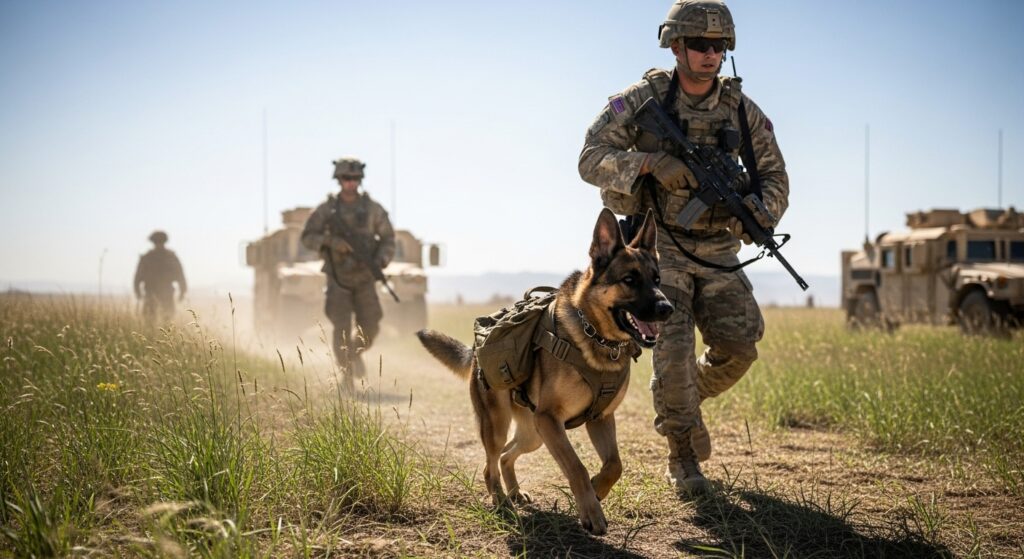
The post-WWII era saw ebbs and flows in military dog programs. The Korean War (1950-1953) revived the K9 Corps, with German Shepherds deployed as sentries and scouts in the frozen Chosin Reservoir and humid jungles. Their ability to detect infiltrators in the dead of night saved platoons from devastating ambushes.
Vietnam marked a pivotal chapter, where the humid, booby-trap-laden terrain tested the breed’s limits. Over 4,000 military working dogs served, primarily German Shepherds, trained at Lackland Air Force Base for patrol, mine detection, and sentry duties. Airman Second Class Nemo, a black-and-tan German Shepherd, became a symbol of resilience. In 1966, while guarding a communications site in Vietnam, Nemo alerted his handler, Robert Throneburg, to approaching Viet Cong. In the ensuing firefight, Nemo was shot in the nose but continued fighting, shielding Throneburg until medics arrived. Both survived, and Nemo was medically retired—the first Vietnam War dog allowed stateside. Tragically, about 4,000 dogs were left behind at war’s end, with only 200 returning home, highlighting early ethical oversights in canine welfare.
These conflicts refined training protocols, incorporating helicopter insertions and jungle survival. German Shepherds’ prey drive and stamina shone, but the war also exposed vulnerabilities like heat sensitivity, paving the way for breed diversification.
Modern Military Applications: From IED Detection to Special Ops
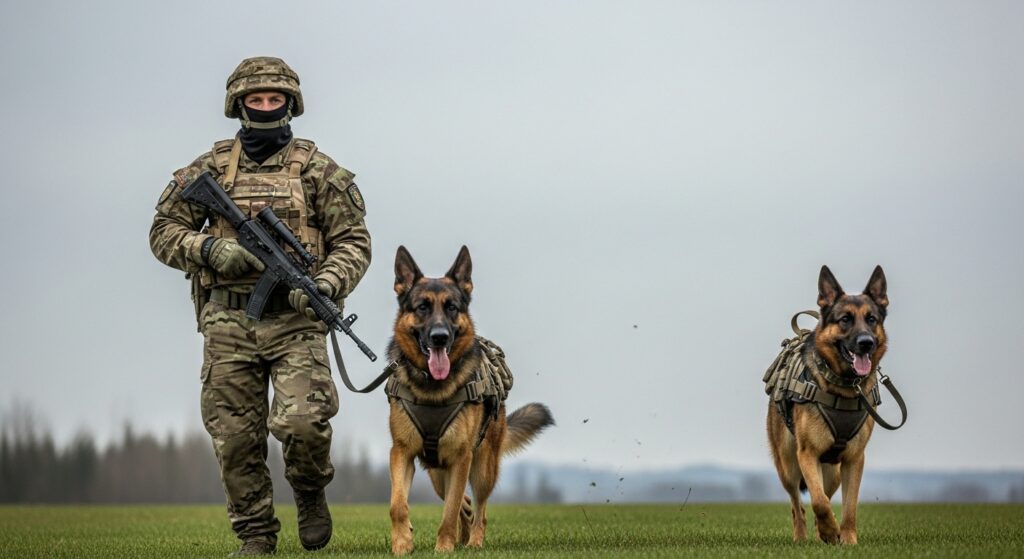
Fast-forward to the 21st century, and German Shepherds remain vital in an era of asymmetric warfare. In Iraq and Afghanistan, they’ve been frontline heroes in improvised explosive device (IED) detection, narcotics interdiction, and VIP protection. With about 2,500 active U.S. military working dogs today—roughly half German Shepherds—they boast a 98% accuracy rate in explosive detection, far surpassing human tech in cluttered environments.
Take Lucca, a German Shepherd-Belgian Malinois mix who completed over 400 missions with the U.S. Marines. In 2012, she sniffed out an IED in Afghanistan, saving her squad—but the blast cost her a leg. Undeterred, Lucca earned the Dickin Medal, the animal equivalent of the Victoria Cross. In special operations, they’re rappelling from helicopters or parachuting into raids, their vests equipped with night-vision cameras and medical kits.
Beyond combat, German Shepherds bolster law enforcement worldwide. In the U.S., they’re staples in K9 units for suspect apprehension, with their 238 PSI bite force and agility making them ideal for pursuits. Globally, from airport screenings to border patrols, their scent prowess detects everything from fentanyl to hidden stowaways. The Secret Service deploys them for presidential protection, a nod to their historical guard roles.
While Belgian Malinois have gained traction for their hyper-agility in elite units, German Shepherds’ balanced temperament—calm yet commanding—keeps them the go-to for versatile tasks. Today, over 90% of retired MWDs find loving homes, thanks to Robby’s Law (2000), which prioritizes handlers for adoption.
Why German Shepherds Excel: Intelligence, Drive, and Unbreakable Bonds
What sets German Shepherds apart? It’s a cocktail of genetics and grit. Ranked second in canine intelligence by psychologist Stanley Coren, they learn commands in under five repetitions and adapt to complex scenarios on the fly. Their physical prowess—speed up to 30 mph, endurance for 100-mile treks, and a nose with 300 million olfactory receptors—makes them detection wizards.
But it’s the drive that defines them: a high prey instinct for tracking, paired with protective loyalty that views handlers as pack leaders. This “off-switch” temperament—fierce in action, chill off-duty—suits the unpredictability of ops. Handlers often describe the bond as familial; dogs ranked as NCOs (one grade above their human) ensure mutual respect.
Training the Elite: From Puppy to Battlefield Partner
Modern training at Lackland AFB is a 120-180 day gauntlet, costing $20,000-$50,000 per dog. Pups from European working lines (85% of stock) undergo temperament tests for nerves of steel, then master obedience, scent imprinting, and aggression control. Only 50% graduate, but those who do serve 9-11 years, retiring with full honors.
Challenges and the Horizon: Adapting to Tomorrow’s Threats
No breed is perfect. German Shepherds’ size (65-90 lbs) can limit them in tight urban ops, where sleeker Malinois shine. Health issues like hip dysplasia and PTSD from blasts are real hurdles, addressed through better breeding and vet care. Looking ahead, drones and AI may augment—but not replace—their irreplaceable intuition.
As cyber threats rise, German Shepherds could pivot to base security or disaster response, their legacy evolving yet enduring.
From WWI messengers to today’s IED hunters, German Shepherds embody the pinnacle of canine service. Their story isn’t just about ops; it’s about trust, sacrifice, and the profound synergy between species. As we honor these four-legged warriors, let’s remember: in the fog of war, their steady gaze has lit the way home for thousands. Whether patrolling borders or guarding families, the German Shepherd proves that true heroes come with wagging tails.
References
- ProtectionDog.com. “History Of Military Dogs: The German Shepherd.” Accessed October 27, 2025. https://www.protectiondog.com/blogs/news/history-of-gsd-military-dogs
- Hawaii Army Museum Society. “A History of Military Working Dogs (MWDS).” February 1, 2025. https://www.hiarmymuseumsoc.org/articles/a-history-of-military-working-dogs-mwds
- Wikipedia. “Dogs in Warfare.” Accessed October 27, 2025. https://en.wikipedia.org/wiki/Dogs_in_warfare
- Army Signal Corps Museum Foundation. “The History of K9 Corps in the U.S. Army.” Accessed October 27, 2025. https://www.asomf.org/the-history-of-k9-corps-in-the-u-s-army/
- American Kennel Club. “Why the German Shepherd Dog Excels as a Canine Cop and Soldier.” August 8, 2014. https://www.akc.org/expert-advice/lifestyle/german-shepherd-canine-cop/
- Tactical Police K9 Training. “Why Are German Shepherds Used As Police And Military Dogs?” May 6, 2022. https://tacticalpolicek9training.com/why-are-german-shepherds-used-as-police-and-military-dogs/
- Military Working Dog Teams Support Association. “German Shepherd Dogs in the Military: A Brief Historical Overview.” Accessed October 27, 2025. https://www.mwdtsa.org/german-shepherd-dogs-military-brief-historical-overview/