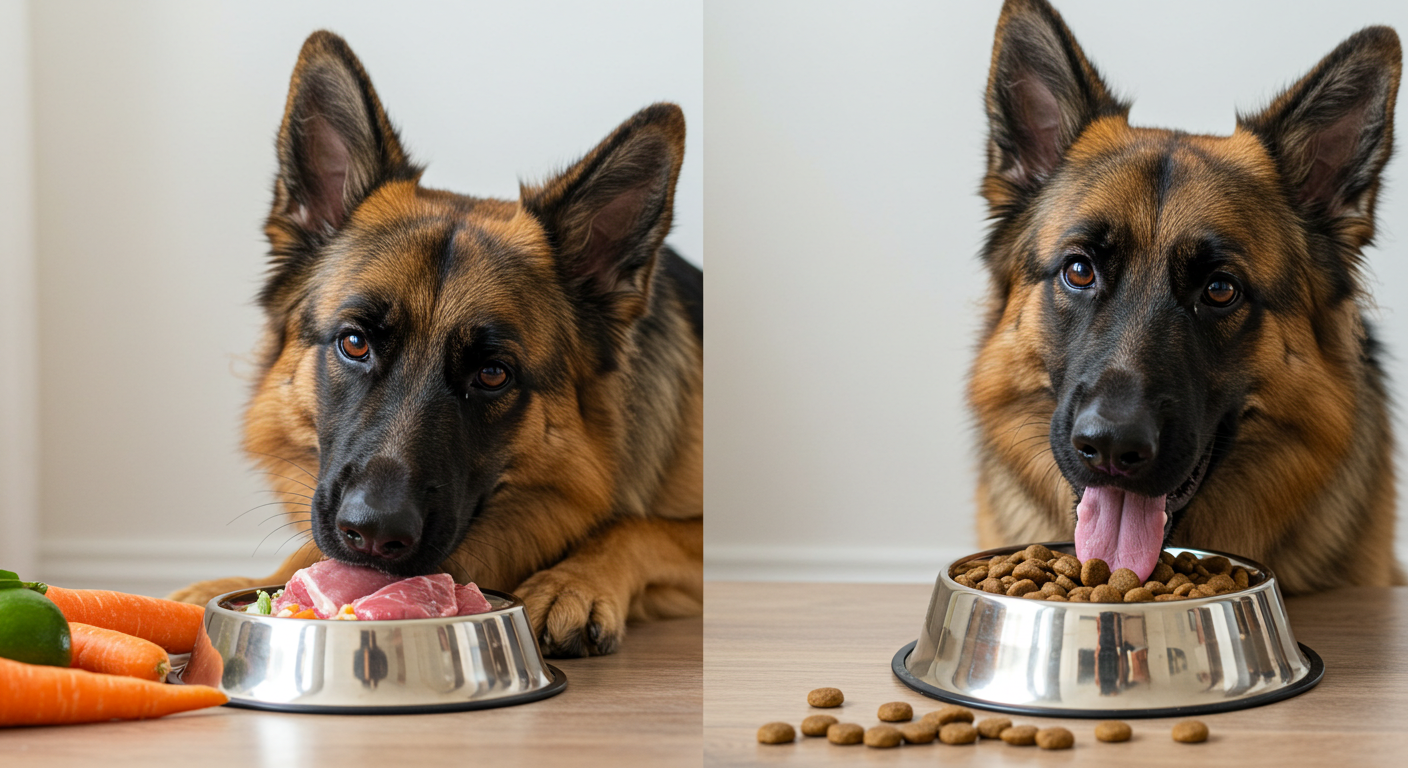
As your loyal German Shepherd enters their golden years, watching them slow down a bit can tug at your heartstrings. These majestic dogs, known for their intelligence, strength, and unwavering devotion, often live to 9-13 years, but the right care can make those years even more vibrant. One of the most impactful ways to support your senior GSD is through thoughtful dietary strategies tailored to their changing needs. Aging brings shifts in metabolism, joint health, digestion, and energy levels, so switching from a high-octane adult diet to a more balanced senior formula isn’t just smart—it’s essential.
In this comprehensive guide, we’ll dive into the nutritional nuances that keep your older German Shepherd feeling spry and comfortable. Whether you’re dealing with hip dysplasia, a finicky appetite, or just wanting to prevent common age-related issues, these evidence-based tips will help you craft a meal plan that nourishes body and soul. Let’s explore how to turn mealtime into a cornerstone of longevity for your furry companion.
Understanding Food Allergies in German Shepherds
Understanding the Nutritional Needs of Senior German Shepherds
German Shepherds are large-breed powerhouses, and as they age—typically considered “senior” around 7-8 years old—their bodies demand a diet that adapts to slower metabolisms and emerging health concerns. Unlike their younger selves, who burned through calories like wildfire on a hike, senior GSDs need fewer overall calories to avoid weight gain, which can exacerbate joint strain or lead to diabetes.
The core goal? Maintain muscle mass while supporting joints, digestion, and cognitive function. Veterinary experts emphasize that senior diets should be highly digestible, with a focus on quality over quantity. For instance, as absorption efficiency dips, nutrient-dense foods ensure every bite counts toward vitality. This isn’t about skimping; it’s about precision—think lean proteins to preserve lean body mass, moderate fats for coat shine without excess, and added fiber to keep things moving smoothly.
Activity level plays a huge role too. A retired working dog lounging in the backyard needs different fuel than one still herding the family kids. Always factor in your dog’s weight (ideally 50-90 pounds for females and males, respectively) and consult your vet for a baseline. By tuning into these shifts, you can help your senior Shepherd dodge pitfalls like obesity or nutrient deficiencies, paving the way for more tail-wags and fewer vet visits.
Key Nutrients for Optimal Senior German Shepherd Health
Crafting the perfect senior diet starts with spotlighting powerhouse nutrients. Here’s a breakdown of what to prioritize, backed by veterinary insights, to keep your GSD thriving.
High-Quality Proteins for Muscle Maintenance
Protein remains the MVP, even in seniority. Aim for 18-25% of calories from lean sources like chicken, fish, or lamb—these help combat sarcopenia (age-related muscle loss) without overloading kidneys. Skip vague “meat by-products”; opt for named meats that deliver complete amino acids. For German Shepherds prone to digestive woes, hydrolyzed proteins can be a game-changer, breaking down allergens for easier tummy tolerance.
Healthy Fats and Omega-3s for Joint and Coat Support
Fats should hover around 10-15%, with a spotlight on omega-3 fatty acids from fish oil or flaxseed. These anti-inflammatories are gold for arthritic joints—a common foe in large breeds like GSDs. They also promote lustrous coats and sharp cognition, countering the dullness that can creep in with age. Balance is key: too little fat leads to dry skin; too much invites pancreatitis.
Fiber and Probiotics for Digestive Harmony
Senior digestion often rebels with constipation or loose stools, so fiber (4-6%) from sources like brown rice, pumpkin, or beet pulp acts as a gentle regulator. Pair it with prebiotics and probiotics to foster a gut microbiome that’s resilient against issues like exocrine pancreatic insufficiency (EPI), which hits GSDs hard. These unsung heroes not only ease bathroom breaks but bolster immunity too.
Antioxidants and Joint Supplements
Aging amps up oxidative stress, so antioxidants from berries, spinach, or vitamin E shield cells from damage. For joints, glucosamine (500-1,500 mg/day) and chondroitin (400-1,200 mg/day) are non-negotiables, especially for dysplasia-prone Shepherds. Low-sodium formulas (under 0.3%) support hearts, warding off dilated cardiomyopathy. Remember, supplements aren’t one-size-fits-all—vet approval ensures they’re safe and effective.
By weaving these nutrients into daily meals, you’re not just feeding; you’re fortifying your dog’s golden years against wear and tear.
Recommended Feeding Guidelines for Senior GSDs
Portion control and timing are the unsung architects of a healthy senior diet. A typical 70-pound German Shepherd might need 1,200-1,800 calories daily, down from their adult peak, adjusted for activity and health. Use this formula as a starting point: 25-30 calories per pound of ideal body weight, split into 2-3 smaller meals to curb bloat risk—a GSD nemesis.
| Life Stage | Daily Calories | Meals per Day | Example Portion (Dry Kibble) |
|---|---|---|---|
| Active Senior (7-10 years) | 1,500-1,800 | 2-3 | 2.5-3.5 cups |
| Less Active Senior (10+ years) | 1,200-1,500 | 3 | 2-2.5 cups |
| Weight Management | 1,000-1,200 | 3-4 | 1.5-2 cups + veggies |
Mix in wet food or toppers for hydration and palatability—seniors often drink less, raising kidney stone risks. Transition slowly over 7-10 days to avoid upsets, and weigh your dog monthly. Tools like slow-feeders prevent gulping, promoting mindful eating that aligns with their calmer pace.
Sample Meal Plans and Homemade Touches
Ready to get creative? Here’s a week’s worth of senior-friendly meal ideas, blending commercial kibble with fresh flair. These are balanced for a 70-pound GSD, but tweak with vet input.
Daily Base: Commercial Senior Kibble
Start with a vet-recommended option like Blue Buffalo Life Protection Senior (high in glucosamine) or Royal Canin German Shepherd 5+ for breed-specific digestion support. Portion: 2 cups AM/PM.
Monday: Joint-Boosting Salmon Stir
- 1 cup senior kibble
- 4 oz baked salmon (omega-3 rich)
- 1/2 cup steamed green beans (fiber boost)
- Drizzle of fish oil
Total: ~600 calories. The salmon’s healthy fats ease stiff mornings.
Wednesday: Turkey and Veggie Medley
- 1 cup kibble
- 4 oz ground turkey (lean protein)
- 1/4 cup pumpkin puree (digestive aid)
- Handful of blueberries (antioxidants)
A soothing midday snack to keep energy steady.
Weekend Treat: Bone Broth Slow-Cooker Surprise
Slow-cook 2 lbs chicken bones with carrots, apples, and turmeric for a nutrient-packed broth. Serve 1/2 cup over kibble—it’s hydrating and joint-soothing, mimicking raw benefits without the hassle.
These plans emphasize variety to combat boredom, ensuring your GSD laps up every morsel while hitting nutritional targets.
Common Dietary Mistakes to Avoid with Older German Shepherds
Even well-meaning owners trip up here. Overfeeding is rampant—those puppy-era portions lead to 20% obesity rates in seniors, hammering joints. Table scraps? A no-go; fatty human foods spike pancreatitis odds. Grain-free fads can miss heart-healthy taurine, so stick to balanced formulas unless allergies dictate otherwise.
Another pitfall: Ignoring hydration. Add water to meals or use fountains to encourage sipping, as dehydration sneaks up on thirstier senses. And don’t DIY supplements—excess calcium or phosphorus can calcify arteries. Vigilance turns potential blunders into bulletproof habits.
When to Consult a Veterinarian for Dietary Adjustments
Your vet is your co-pilot in this journey. Schedule senior check-ups twice yearly for bloodwork spotting deficiencies early. Red flags like unexplained weight loss, lethargy, or coat dullness warrant immediate tweaks—perhaps a prescription diet for EPI or heart issues.
Personalization shines: A GSD with kidney concerns might need phosphorus-restricted food, while one with allergies benefits from novel proteins. Armed with diagnostics, your vet can fine-tune strategies, ensuring diet evolves with your dog’s unique story.
Embracing dietary strategies for your senior German Shepherd isn’t just about longevity—it’s about quality. From protein-packed meals that honor their working heritage to joint-loving add-ins that keep them trotting by your side, these choices celebrate the bond you’ve built. Start small: Audit your current routine, stock up on senior staples, and watch your GSD’s eyes light up at dinnertime.
Remember, every dog ages differently, but with patience and knowledge, you can gift them tail-end years filled with comfort and joy. Here’s to more sunset walks and cozy cuddles—your Shepherd thanks you.
References
- PetMD. (2025). German Shepherd Dog Breed Health, Care, and Training. Retrieved from https://www.petmd.com/dog/breeds/german-shepherd [web:7, web:39]
- Dog Food Advisor. (2025). Best Dog Food for German Shepherds 2025. Retrieved from https://www.dogfoodadvisor.com/best-dog-foods/german-shepherds/ [web:18, web:40]
- PetMD. (2025). 8 Best Foods for Senior Dogs in 2025, Recommended by Vets. Retrieved from https://www.petmd.com/dog/vet-verified/best-senior-dog-food [web:19, web:41]
- American Kennel Club. (2024). Senior Dog Nutrition and Supplement Tips. Retrieved from https://www.akc.org/expert-advice/nutrition/nutrition-and-supplements-for-senior-dogs/
- German Shepherd Rescue of Central Ohio. (2016). Caring for Senior German Shepherd Dogs. Retrieved from https://www.gsroc.org/caring-for-senior-german-shepherd-dogs/
- ProDog Raw. German Shepherd Feeding Guide. Retrieved from https://www.prodograw.com/raw-feeding-guide/german-shepherd-feeding-guide/ [web:4, web:17]