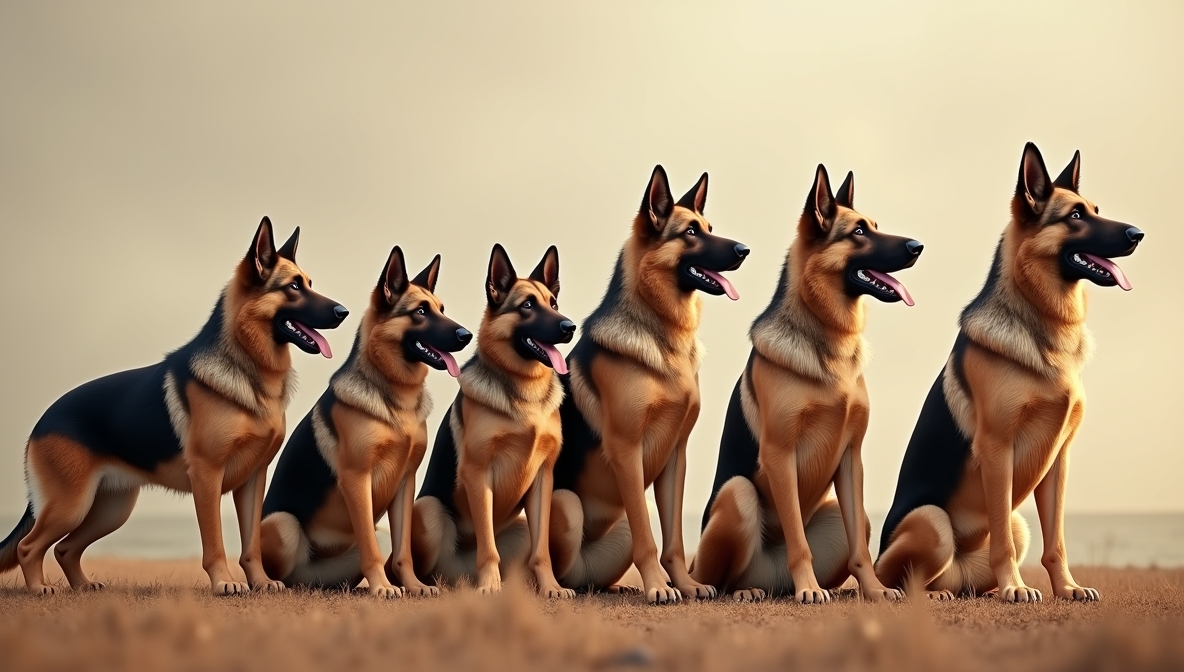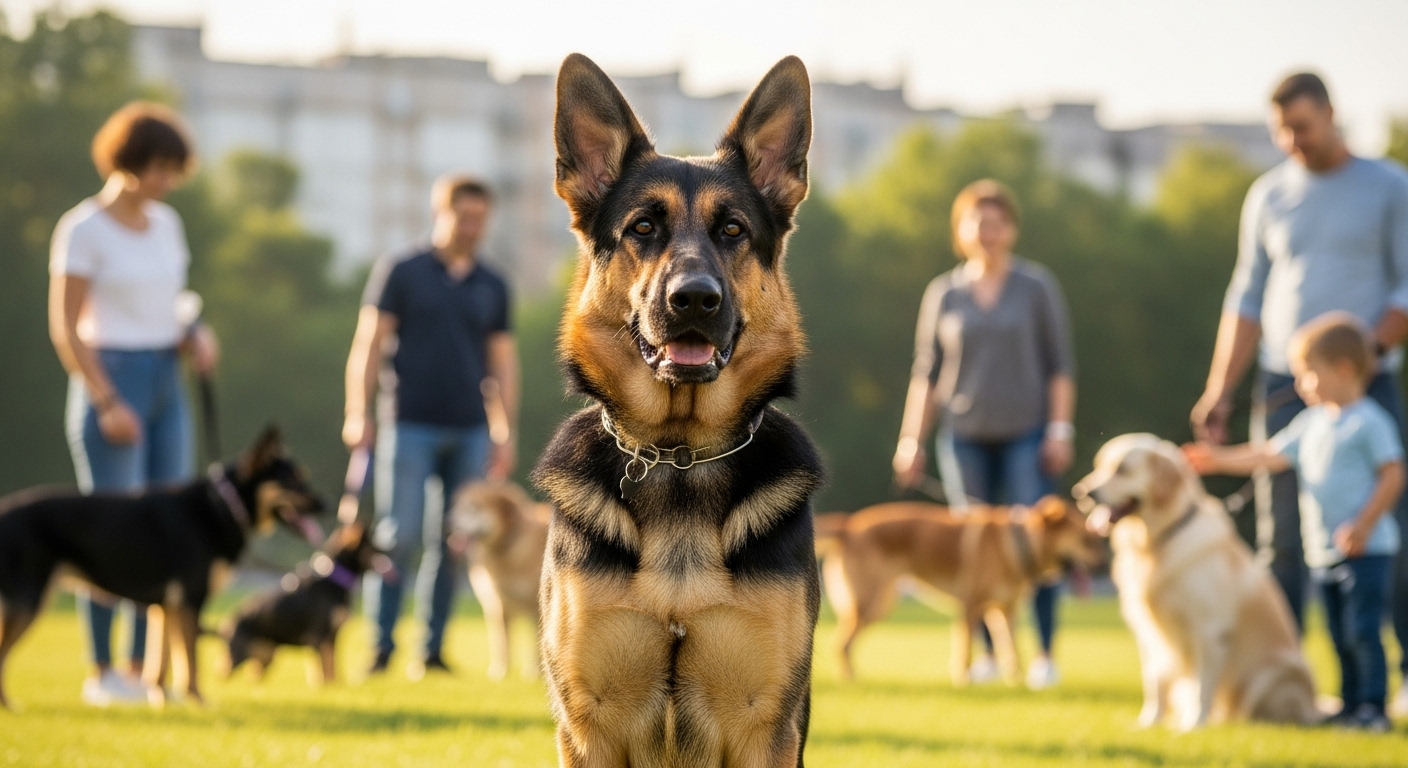
The German Shepherd stands as one of the most recognizable dog breeds in the world, embodying traits like unwavering loyalty, sharp intelligence, and quiet strength that have long captivated hearts and minds. But beyond their striking appearance—with that sleek black-and-tan coat and alert, almond-shaped eyes—these dogs have profoundly influenced how society views canines as a whole. From humble herding roots in 19th-century Germany to starring roles in Hollywood blockbusters and frontline duties in global conflicts, the German Shepherd has molded public perception, transforming dogs from mere farmhands or pets into symbols of heroism, companionship, and even national identity. This article explores the breed’s journey, highlighting key moments that elevated it from a working dog to a cultural icon, while addressing the stereotypes it has both shattered and reinforced. Whether you’re a proud German Shepherd owner or simply curious about the breed’s legacy, understanding this impact reveals why these dogs continue to inspire awe and affection worldwide.
German Shepherds in Military Operations: Then and Now
The Origins: From Herding Dogs to a Breed of Destiny
To grasp the German Shepherd’s role in reshaping dog perceptions, we must start at the beginning—in the rolling farmlands of late-19th-century Germany. At a time when industrialization was swallowing up rural life and traditional herding practices were evolving, a visionary cavalry officer named Max von Stephanitz set out to create the ultimate working dog. In 1899, he acquired a wolfish-looking herder named Hektor Linksrhein, whom he rechristened Horand von Grafrath, and founded the Verein für Deutsche Schäferhunde (SV), the breed’s governing club. Horand became the cornerstone of the breed, with his descendants—through careful, sometimes intense inbreeding—fixing desirable traits like endurance, trainability, and an innate drive to protect the flock (or family).
What made this more than just a breeding experiment was von Stephanitz’s emphasis on utility over aesthetics. He wanted a dog that could think on its paws, adapt to any task, and bond deeply with humans. Early German Shepherds (or Deutscher Schäferhunde, as they were known) excelled in sheepherding, but their versatility quickly shone in urban settings too—guarding factories, pulling carts, and even competing in obedience trials. By the early 1900s, the breed had crossed borders, gaining a foothold in the U.S. and UK, where registrations skyrocketed from a handful in 1914 to thousands by the 1920s.
This rapid rise wasn’t accidental. The German Shepherd arrived at a pivotal moment in human-canine relations, when dogs were transitioning from utilitarian tools to cherished companions. In an era of social upheaval—World War I looming on the horizon—the breed’s image as a reliable, no-nonsense partner helped cement the idea that dogs could be more than “man’s best friend”; they could be indispensable allies in a changing world. Farmers saw them as tireless workers, while city dwellers admired their poised demeanor, fostering a broader appreciation for intelligent breeds over flashy lapdogs. Today, this foundational legacy endures, with German Shepherds consistently ranking among the top five most popular breeds in the U.S., according to the American Kennel Club (AKC).
Hollywood Heroes: Rin Tin Tin and the Dawn of Canine Stardom
If the German Shepherd’s origins laid the groundwork for respect, it was Hollywood that catapulted the breed into the spotlight, forever altering how the public romanticized dogs. Enter Rin Tin Tin, the scruffy pup rescued from the battlefields of World War I by American soldier Lee Duncan in 1918. This unlikely star debuted in the 1922 silent film The Man from Hell’s River and went on to appear in over 25 movies, saving damsels, outwitting villains, and earning a staggering $2 million for Warner Bros. during the studio’s leanest years—enough to keep it afloat through the early talkie transition. Rin Tin Tin’s on-screen charisma wasn’t just luck; his real-life intelligence and athleticism mirrored the breed’s working heritage, making him a perfect ambassador.
Rin wasn’t alone. Strongheart, another German import, paved the way in 1921 with The Silent Call, becoming the first canine to imprint his paws (and those of his successors) on the Hollywood Walk of Fame. These early film dogs portrayed German Shepherds as noble protectors—fierce yet gentle, brave without being brutish—shifting public views from dogs as chaotic pets to disciplined heroes worthy of admiration. By the 1930s, the breed’s popularity exploded; in the U.S., registrations surged, and “Rinty” fever gripped the nation, with kids trading cards and adults flocking to theaters. This media magic extended to television and beyond: think Ace the Bat-Hound in DC Comics or the titular star of the long-running Austrian series Inspector Rex, which aired from 1994 to 2004 and spawned international remakes.
The ripple effect on dog ownership was profound. Families who once shied away from large breeds now sought German Shepherd puppies, associating them with adventure and loyalty rather than mere utility. A 1920s surge saw the breed become America’s most registered dog, a trend that persisted into the postwar boom. Even today, films like Megan Leavey (2017), based on a real Marine and her bomb-sniffing Shepherd, or A Dog’s Purpose (2017), reinforce this heroic narrative, ensuring the breed remains synonymous with cinematic canine excellence. In essence, Rin Tin Tin and his ilk didn’t just entertain—they humanized dogs, proving they could emote, empathize, and entertain on a level that blurred the line between pet and performer.
War and Duty: Forging the Image of the Fearless Canine Warrior
No chapter in the German Shepherd’s story has more indelibly shaped perceptions than its wartime service, where it emerged as the ultimate symbol of canine courage and camaraderie. During World War I, the breed’s messenger and sentry roles saved countless lives, with dogs like those in the U.S. Army’s Signal Corps dodging bullets to deliver vital dispatches. But it was World War II that solidified their legend. Over 25,000 German Shepherds served in the Allied and Axis forces alike—as scouts detecting ambushes, medics locating wounded soldiers under fire, and even paratroopers leaping from planes into enemy territory.
Their traits made them ideal: a keen nose for tracking (up to 100,000 times more sensitive than a human’s), boundless stamina, and an unyielding loyalty that von Stephanitz had bred into the line generations earlier. Postwar tales of these “devildogs” returning home with soldiers fueled a surge in adoption, but the breed’s Nazi associations—Adolf Hitler owned several, including the infamous Blondi—cast a shadow, leading to name changes like “Alsatian” in Britain to distance it from German roots. Despite this, their valor won out; by the 1950s, German Shepherds were the go-to for police K-9 units worldwide, patrolling streets from New York to Tokyo.
This military legacy profoundly influenced public views, elevating dogs from backyard buddies to elite operatives. The image of a Shepherd in tactical gear—alert, focused, unbreakable—became shorthand for reliability, inspiring everything from recruitment posters to children’s books. It also boosted breed popularity; in the U.S., they held the No. 2 spot on AKC rankings for decades, with owners drawn to that aura of disciplined power. Yet, it wasn’t without cost—overuse in high-stress roles contributed to stereotypes of aggression, a misconception that persists despite data showing most incidents stem from poor training, not genetics.
Beyond the Badge: Versatility in Search, Rescue, and Everyday Life

The German Shepherd’s influence extends far beyond badges and battlefields, into realms where their empathy and adaptability truly shine, further humanizing dogs in the public eye. In search-and-rescue operations, these dogs navigate rubble-strewn disaster zones—think the 9/11 attacks or the 2010 Haiti earthquake—their noses sifting through chaos to find survivors where machines fail. One notable hero, Appollo, a Shepherd mix, earned a PDSA Dickin Medal for his 9/11 efforts, embodying the breed’s shift from warrior to savior.
In service roles, they guide the blind, alert to seizures, and provide emotional support, proving dogs can be profound healers. This versatility has democratized dog ownership; families now see German Shepherds not just as guards but as gentle family members, with adoption rates spiking after heartwarming stories go viral. Globally, their popularity—second only to the Labrador in many countries—stems from this multifaceted image, encouraging responsible breeding and training to counter health concerns like hip dysplasia.
The Double-Edged Sword: Popularity, Stereotypes, and Lasting Legacy
For all its triumphs, the German Shepherd’s prominence has bred challenges. The breed’s fame fueled irresponsible breeding, leading to overpopulation and health issues that tarnished its reputation in the mid-20th century. Media portrayals sometimes amplify aggression tropes, as seen in films depicting them as snarling attack dogs, overshadowing their core temperament: confident yet approachable, eager to please. Breed-specific legislation in places like parts of Australia stemmed from these biases, despite evidence that environment trumps genetics in behavior.
Yet, this scrutiny has spurred positive change—advocacy for ethical breeding and education has helped reclaim the narrative. Today, with social media amplifying stories of Shepherds as therapy dogs or agility champs, the public increasingly sees them as balanced companions, driving a 20% rise in U.S. registrations since 2010.
The German Shepherd hasn’t just shaped public perception of dogs—it’s redefined what it means to share our world with them. From Horand’s herding fields to Rin Tin Tin’s reels and the rubble of rescue sites, this breed has woven itself into the fabric of human stories, challenging us to see dogs as equals in courage, wit, and heart. As we navigate an era of evolving pet-parent dynamics, the German Shepherd reminds us: true partnership knows no bounds. Whether curling up on the couch or charging into duty, these dogs prove that loyalty isn’t just a trait—it’s a legacy.
References
- Skabelund, P. (2016). Breeding Racism: The Imperial Battlefields of the German Shepherd Dog. Animals and Society Institute. https://www.animalsandsociety.org/wp-content/uploads/2016/06/skabelund.pdf
- BetterPet. (2023). History of German Shepherd Dogs. https://www.betterpet.com/learn/german-shepherd-history
- American Kennel Club. (2025). Facts About the German Shepherd Dog That You May Not Know. https://www.akc.org/expert-advice/lifestyle/fun-facts-german-shepherd/
- Wikipedia. (2025). German Shepherd. https://en.wikipedia.org/wiki/German_Shepherd
- American Kennel Club. (2014). Why the German Shepherd Dog Excels as a Canine Cop and Soldier. https://www.akc.org/expert-advice/lifestyle/german-shepherd-canine-cop/