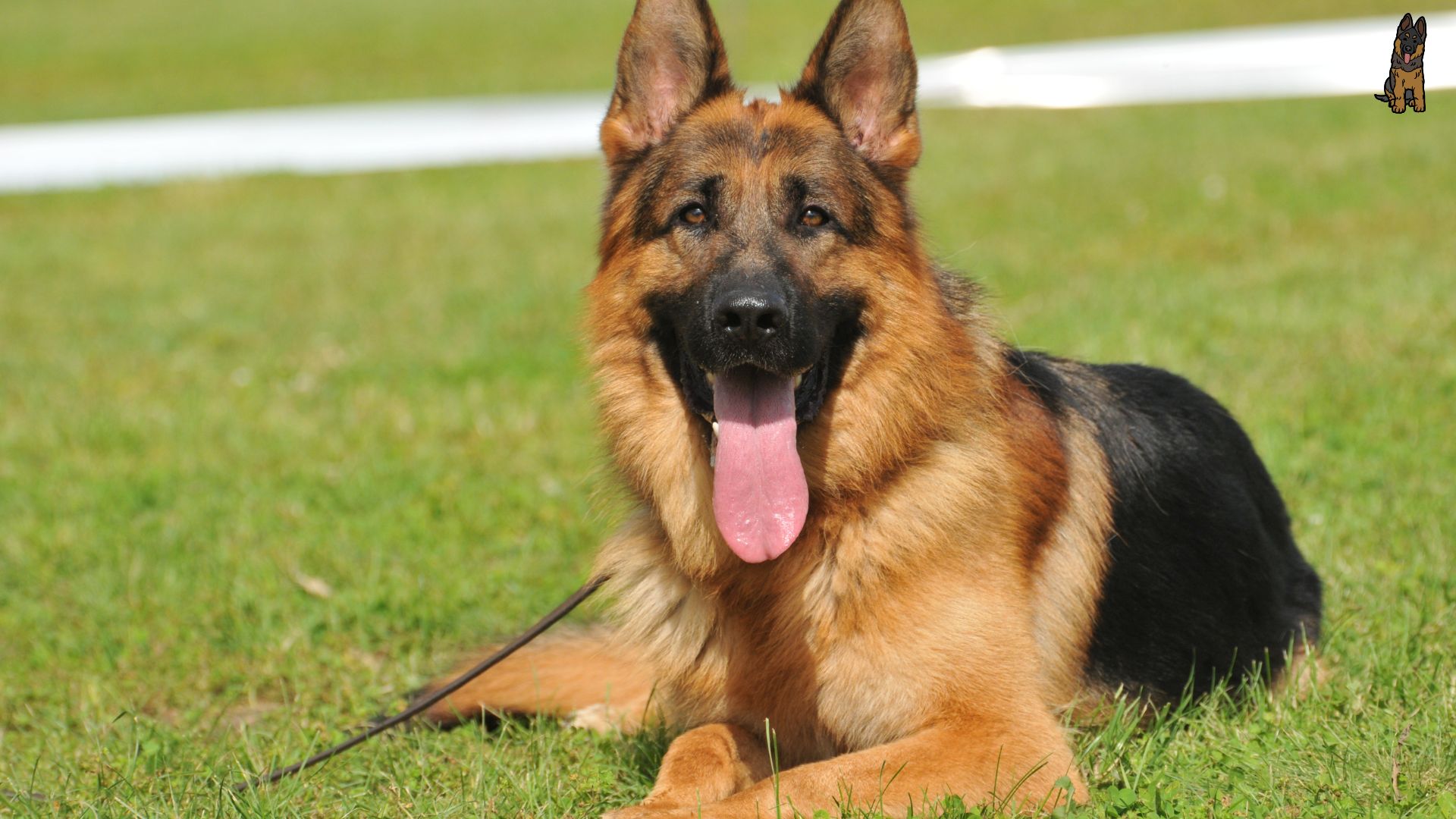
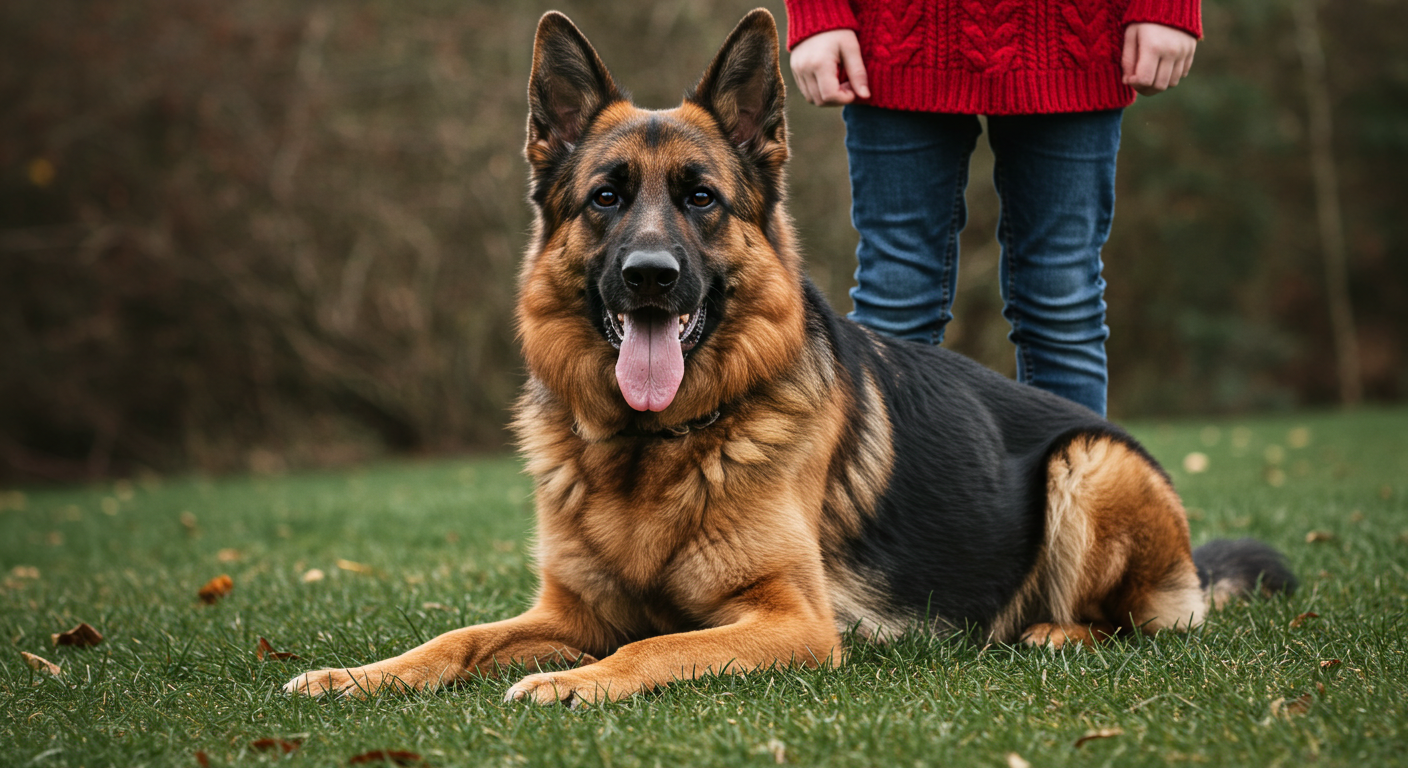
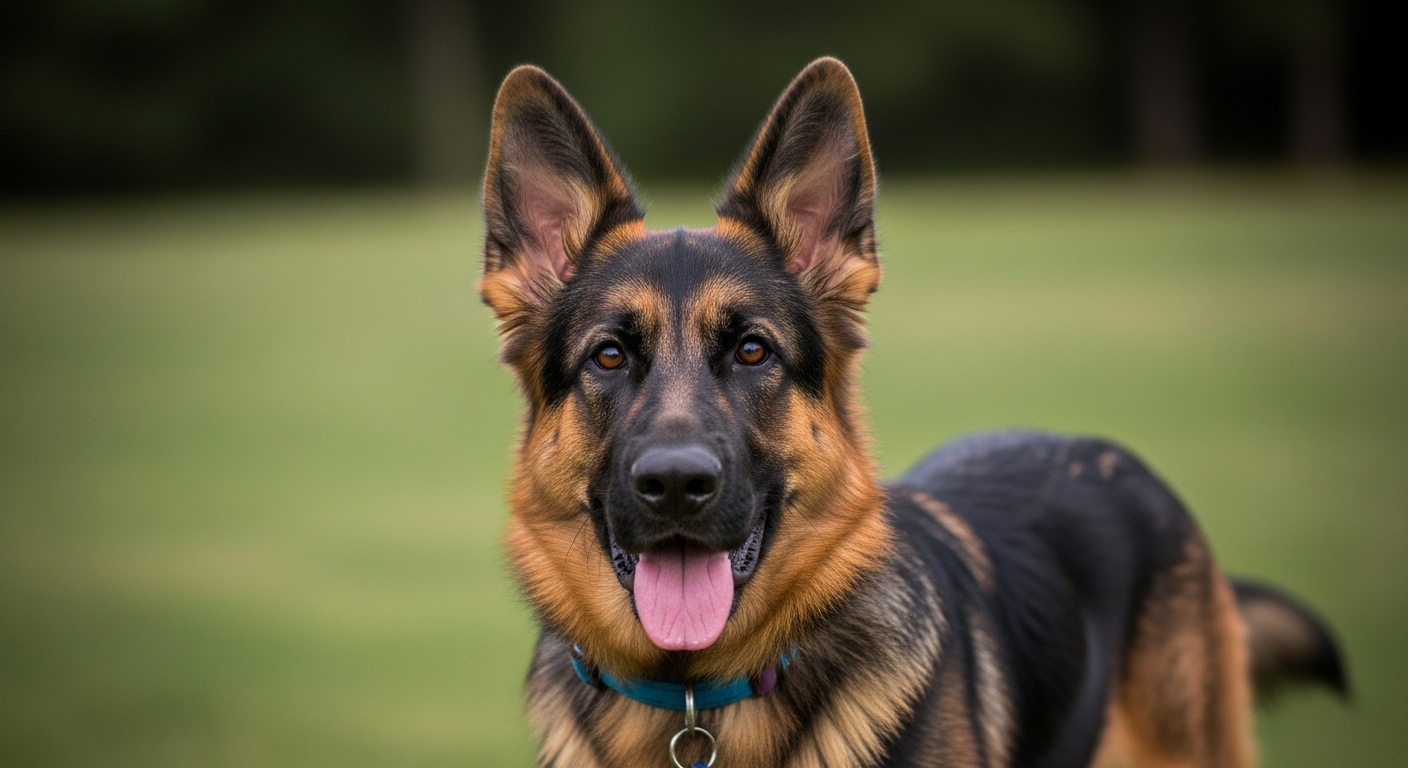
German Shepherds, with their striking intelligence and unwavering loyalty, have long been the unsung heroes of some of the world’s most harrowing emergencies. Whether sifting through earthquake rubble or navigating dense wilderness trails, these versatile dogs embody the perfect blend of strength, scent prowess, and drive that makes them indispensable in search and rescue (SAR) operations. If you’ve ever wondered why German Shepherds dominate the SAR landscape—from disaster zones to avalanche fields—this guide dives deep into their storied history, unique qualifications, rigorous training, and heart-pounding real-world triumphs. For dog lovers, first responders, or anyone fascinated by canine capabilities, understanding the German Shepherd’s SAR role reveals not just a breed’s potential, but a testament to the human-animal bond that saves lives.
How to Identify a Purebred German Shepherd
A Brief History of German Shepherds in Search and Rescue
The German Shepherd’s journey into SAR began in the late 19th century, when Captain Max von Stephanitz, a German cavalry officer, set out to create the ultimate working dog. Bred initially for herding sheep across rugged German landscapes, the breed quickly evolved into a multifaceted powerhouse for military and civilian duties. By the early 1900s, their exceptional tracking skills caught the eye of police forces, laying the groundwork for broader rescue applications.
World War I marked the breed’s explosive entry into formal SAR work. Deployed as “mercy dogs” on battlefields, German Shepherds scoured no-man’s-land for wounded soldiers, guiding the injured to medics amid chaos. Their tenacity shone through; one poignant example involved dogs leading blinded veterans to safety, inspiring the creation of the first guide dog schools post-war. Over 30,000 such dogs served, saving countless lives and earning admiration from Allied and Axis forces alike.
The breed’s SAR legacy deepened during World War II. As Allied bombing raids turned European cities into vast debris fields, German Shepherds became rubble rescuers par excellence. In the U.S., the War Department established K-9 Corps training centers in 1942, prioritizing German Shepherds for their adaptability in messenger, guard, and rescue roles. Post-war, civilian SAR teams emerged, with the breed adapting to natural disasters and wilderness searches. The 1960s and ’70s saw formalized U.S. programs, like those from the American Rescue Dog Association (ARDA), incorporating German Shepherds into avalanche and flood responses.
From the Korean War’s scout patrols to Vietnam’s tunnel detections, German Shepherds proved their mettle in high-stakes military SAR. Today, they remain a staple in global operations, from FEMA’s Urban Search and Rescue Task Forces to international earthquake responses, bridging centuries of service with cutting-edge tech.
Why German Shepherds Excel in Search and Rescue

What sets German Shepherds apart in the demanding world of SAR? It’s a cocktail of physical and mental traits honed over generations. Standing tall at 22-26 inches and weighing 50-90 pounds, these dogs boast an athletic build—lean muscles for endurance, powerful legs for climbing over obstacles, and a double coat that shields them from harsh weather, be it blistering heat or sub-zero cold.
At their core is an olfactory superpower: a nose with up to 300 million scent receptors (compared to our measly 6 million), allowing them to detect human odors from miles away, even diluted by wind or water. This isn’t just sniffing; it’s precision tracking, distinguishing a live person’s scent from environmental noise or cadaver remains.
Intelligence is another ace up their sleeve. Ranking second only to Border Collies in Stanley Coren’s The Intelligence of Dogs, German Shepherds learn commands in under five repetitions and obey 95% of the time. Their high-drive temperament—eager to please yet independent—fuels relentless searching without burnout. Add in emotional stability; these dogs bond deeply with handlers, thriving on praise and play, which keeps morale high in prolonged ops.
Versatility seals the deal. Unlike specialized breeds like Bloodhounds for trailing or Labs for water work, German Shepherds multitask across air-scenting (wide-area sweeps), trailing (following specific scents), cadaver detection, and disaster rubble hunts. In a field where seconds count, their all-terrain adaptability turns potential tragedies into triumphs.
Training a German Shepherd for Search and Rescue
Turning a fluffy German Shepherd puppy into a SAR pro is no walk in the park—it’s a marathon of patience, consistency, and fun. Training kicks off around 10-12 weeks, capitalizing on the breed’s innate curiosity with simple “hide-and-seek” games using toys or treats to build scent motivation.
By six months, sessions ramp up to 20+ hours weekly, blending obedience basics (sit, stay, heel) with specialized drills. Positive reinforcement rules: a tug toy or effusive “good boy!” trumps punishment, keeping the dog’s “work” feeling like play. For air-scenting, handlers hide in progressively larger areas, rewarding alerts like barks or sits. Trailing involves dragging scented articles (e.g., a victim’s clothing) through woods, teaching the dog to follow the plume.
Specializations demand nuance. Cadaver dogs train on pseudo-scents mimicking decomposition, while avalanche pups practice in controlled snow pits. Full certification—through orgs like ARDA or FEMA—takes 12-18 months, involving mock disasters, night searches, and handler-dog team evaluations. Handlers, too, undergo rigorous prep: first aid, navigation, and reading canine body language.
Challenges abound—distractions like wildlife or fatigue—but German Shepherds’ perseverance shines. With a mentor and local SAR group, aspiring teams invest time (volunteer-based) and modest costs (gear, travel), forging bonds that last a lifetime. The result? A duo ready for anything, from urban collapses to remote hikes.
Real-Life Heroes: Famous German Shepherds in Action
German Shepherds don’t just train—they deliver under fire. Take Jet of Iada, a WWII London legend who sniffed out over 150 survivors amid Blitz wreckage. Honored with the Dickin Medal (the “animals’ Victoria Cross”), Jet’s alerts pierced the din of sirens and rubble, saving lives when time was the enemy.
Fast-forward to 9/11: Apollo, an NYPD K-9, was among the first on Ground Zero, enduring toxic dust and emotional toll to search for survivors. His handler, Will Jimeno (a 9/11 survivor himself), credits Apollo’s calm focus with bolstering the team’s resolve; together, they symbolized hope in despair. Buddy, another Ground Zero hero, located remains for months, aiding closure for families.
In natural disasters, the breed’s grit endures. During Hurricane Katrina (2005), German Shepherds like those in FEMA teams navigated flooded streets, detecting trapped residents in attics. In the 2010 Haiti earthquake, they burrowed through concrete slabs, their barks echoing hope. Even in avalanches, like Switzerland’s 1968 integrations, these dogs have pinpointed buried skiers, proving their alpine prowess.
These tales aren’t anomalies; they’re the breed’s blueprint. From Chips’ WWII enemy captures to modern Iraq patrols, German Shepherds remind us: in crisis, four paws often outpace two legs.
The Impact of German Shepherds on Modern SAR Operations
Today, German Shepherds supercharge SAR with tech-human-dog synergy. GPS collars map coverage, drones scout ahead, and sensor harnesses relay vitals, slashing response times by 20%. Yet, amid gadgets, the dog’s nose remains king—irreplaceable for nuanced scents in chaos.
Their presence boosts efficiency: studies show canine teams locate victims 3-5 times faster than human-only efforts. Globally, from Turkey’s 2023 quakes to U.S. wildfires, these dogs save thousands annually, while handlers advocate for their welfare—retirement programs ensure hero pups get pampered endings.
As climate crises escalate, German Shepherds’ role grows, training for emerging threats like urban floods or mass migrations. They’re not just rescuers; they’re beacons of resilience.
In wrapping up, the German Shepherd’s SAR saga is one of evolution—from pastoral fields to global frontlines. Their blend of brawn, brains, and heart doesn’t just find the lost; it reunites worlds. If you’re inspired to volunteer or adopt, remember: every wag could change a life.
References
- American Kennel Club (AKC). (2025). Facts About the German Shepherd Dog That You May Not Know. https://www.akc.org/expert-advice/lifestyle/fun-facts-german-shepherd/
- Dogbase. (n.d.). The Evolution of SAR Dogs: From Past to Present Innovations. https://www.dogbase.co/blog/the-evolution-of-sar-dogs-from-past-to-present-innovations
- German Dog Training Center. (n.d.). The Role of German Shepherds in Search and Rescue Operations. https://germandogtrainingcenter.com/the-role-of-german-shepherds-in-search-and-rescue-operations/
- German Shepherd Dog Club of America (GSDCA). (n.d.). Breed History. https://www.gsdca.org/breed-history/
- German Shepherd Dog Club of America (GSDCA). (n.d.). Search And Rescue Dogs. https://www.gsdca.org/search-and-rescue-dogs/
- Mittelwest German Shepherds. (2024). German Shepherd Dogs Effectively Help In Search & Rescue. https://www.mittelwest.com/blog/german-shepherd-dogs-help-in-search-rescue/