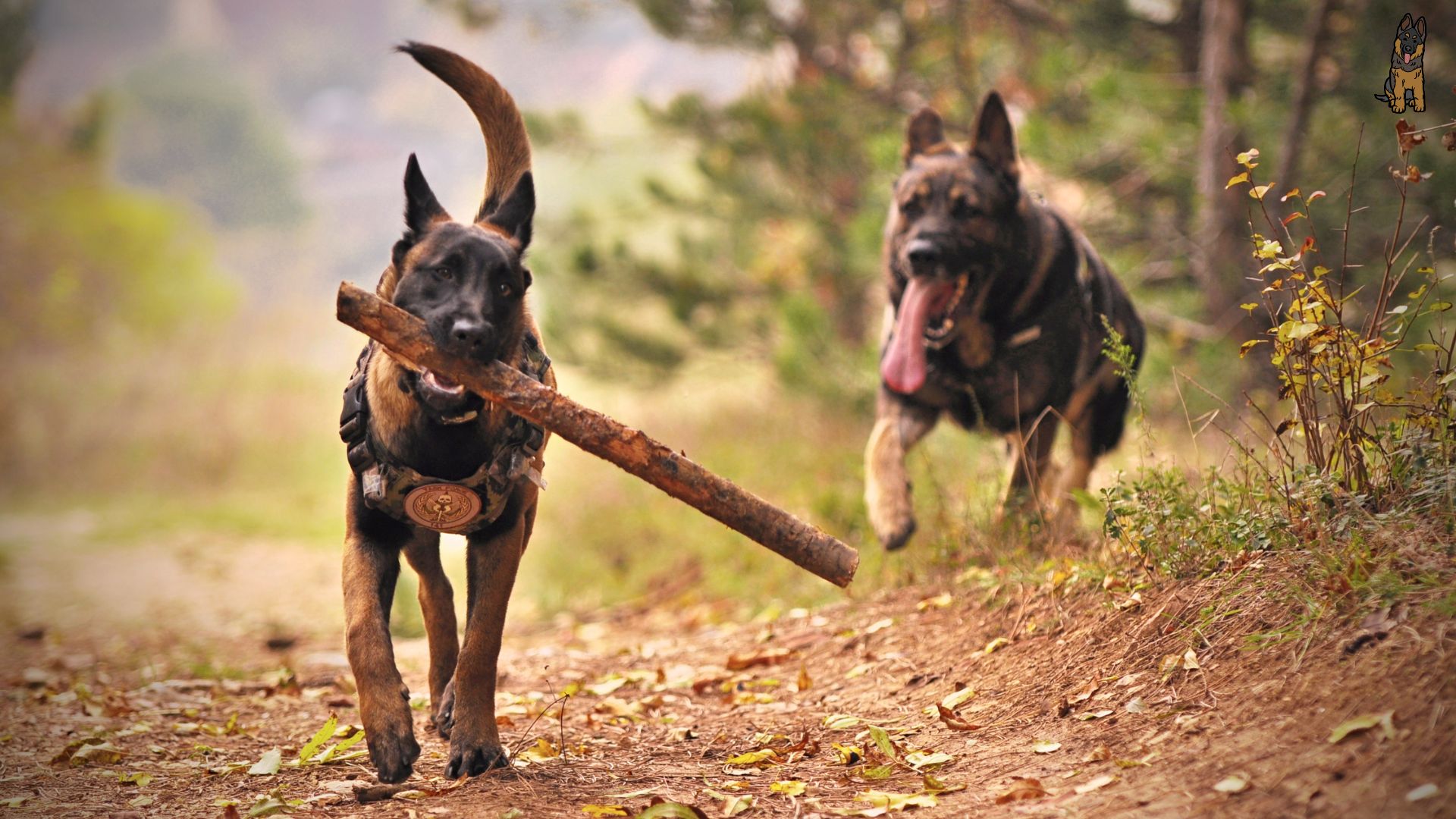
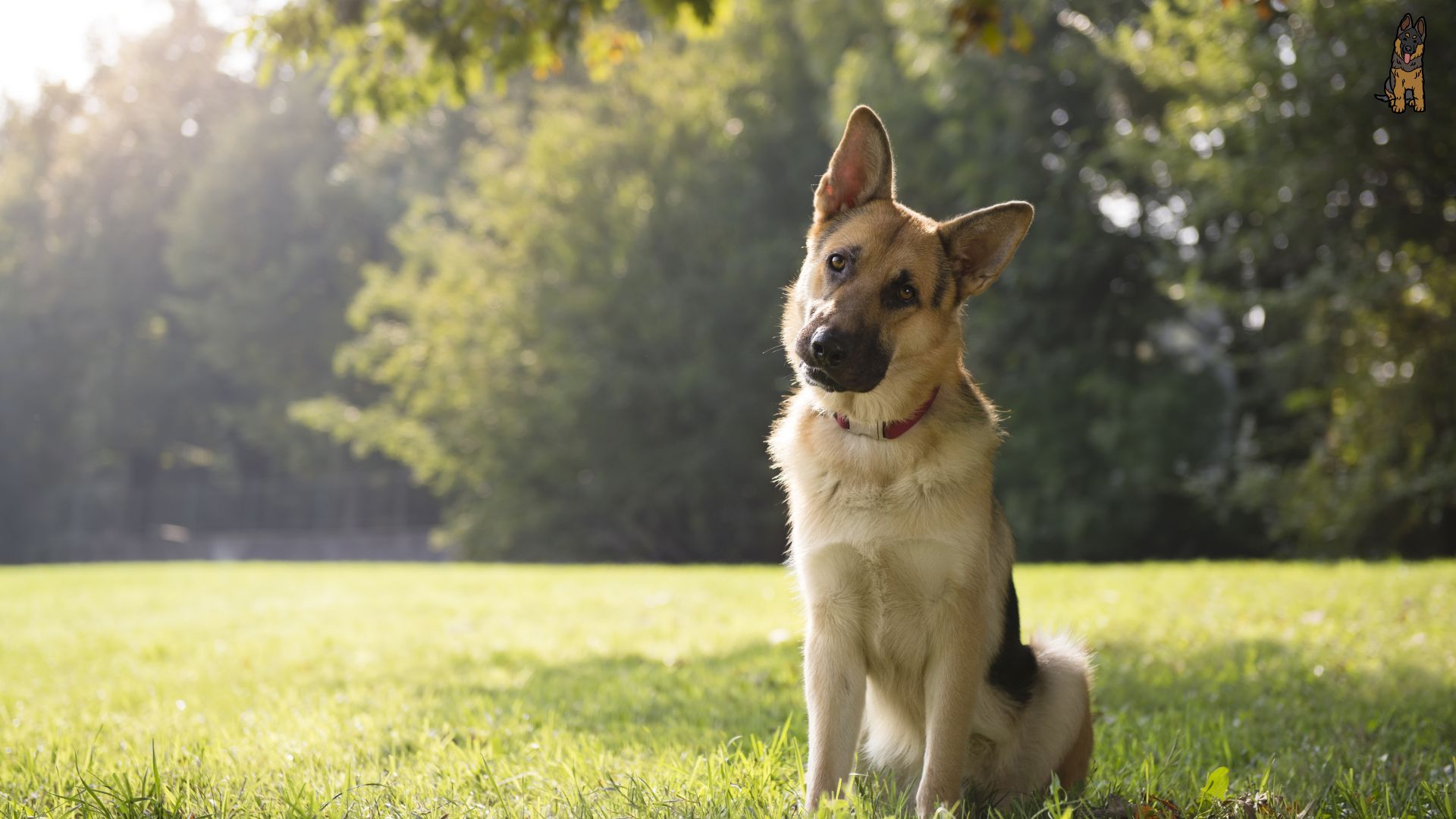
German Shepherds are the epitome of canine excellence—intelligent, loyal, and bursting with energy that could power a small city. But with great power comes great responsibility, especially when it comes to training. If you’ve ever watched your German Shepherd zoom around the yard like a furry missile or stare at you with those soulful eyes begging for a job, you know the challenge: keeping their sharp minds and athletic bodies engaged without turning every session into a battle of wills. Enter play-based training, a game-changing approach that turns obedience drills into joyful romps, building skills while strengthening your bond. In this guide, we’ll dive deep into how play can transform your German Shepherd’s training, from boosting focus to fostering unbreakable trust. Whether you’re raising a fluffy puppy or fine-tuning an adult working dog, these strategies will help you harness their natural drive for fun and productivity.
Dealing with Separation Anxiety in German Shepherds
Why German Shepherds Thrive on Play-Based Training
German Shepherds aren’t your average couch potatoes. Bred for herding, protection, and police work, they possess a work ethic that’s the envy of every dog breed. This high-octane heritage means they need more than rote commands; they crave purpose. Play taps directly into their instincts, mimicking the herding and pursuit behaviors that make them tick. Without it, boredom can lead to destructive chewing, excessive barking, or that classic Shepherd zoomies at 3 a.m.
What sets play apart from traditional training? It’s not just about treats or praise—it’s about mutual enjoyment. For a breed as sensitive and eager-to-please as the German Shepherd, play reinforces positive associations with learning. Imagine your dog associating “sit” not with a stern voice, but with the thrill of chasing a squeaky toy. This emotional connection reduces stress and builds resilience, crucial for a dog that might face high-pressure roles like search-and-rescue. Plus, in our fast-paced world, play keeps sessions short and sweet—15 minutes of fetch can equal an hour of drills in terms of engagement.
The Science and Benefits of Play in Dog Training
Science backs up what every Shepherd owner intuitively knows: play isn’t fluff; it’s foundational. Research shows that playful interactions release endorphins in dogs, reducing cortisol levels and alleviating anxiety. For German Shepherds, who can be prone to separation anxiety or overprotectiveness, this stress-busting effect is gold. A study highlighted how post-training play extends memory retention of commands by up to a year, turning one-off lessons into lifelong habits.
The perks go beyond the brain. Physically, play hones coordination and stamina—key for a breed that excels in agility or Schutzhund. Mentally, it provides the stimulation these puzzle-loving pups demand, warding off behavioral issues like digging up your garden or counter-surfing for snacks. Socially, structured play teaches bite inhibition and turn-taking, essential for multi-dog households or park playdates. And let’s not forget the human side: owners report stronger bonds, with dogs viewing handlers as playmates rather than bosses, leading to faster compliance and fewer frustrations.
In short, play-based training isn’t a luxury—it’s a necessity for holistic development. It aligns with positive reinforcement principles, where rewards feel earned and exciting, rather than obligatory.
Essential Play Activities for Training Your German Shepherd
Ready to roll up your sleeves (and maybe grab a towel for the drool)? Here are seven tailored play activities that double as training tools. Start simple, scale up, and always end on a high note to keep your Shepherd hooked.
1. Fetch with a Twist: Building Recall and Impulse Control
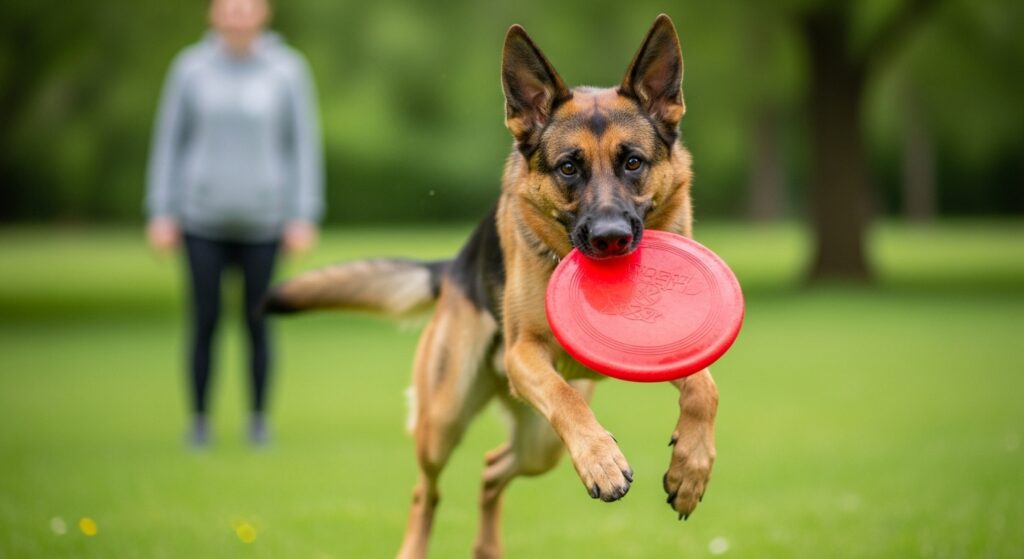
Classic fetch is a German Shepherd’s love language, channeling their prey drive into productive energy. But elevate it: Use two balls to teach “drop it” and prevent guarding. Toss one, command “fetch,” then as they return, hold up the second and say “drop.” Reward with the fresh throw. This game sharpens focus—crucial for off-leash reliability—and burns calories without a marathon run. Pro tip: Indoors, swap balls for soft toys to avoid wall dents.
2. Tug-of-War for Confidence and Release Cues
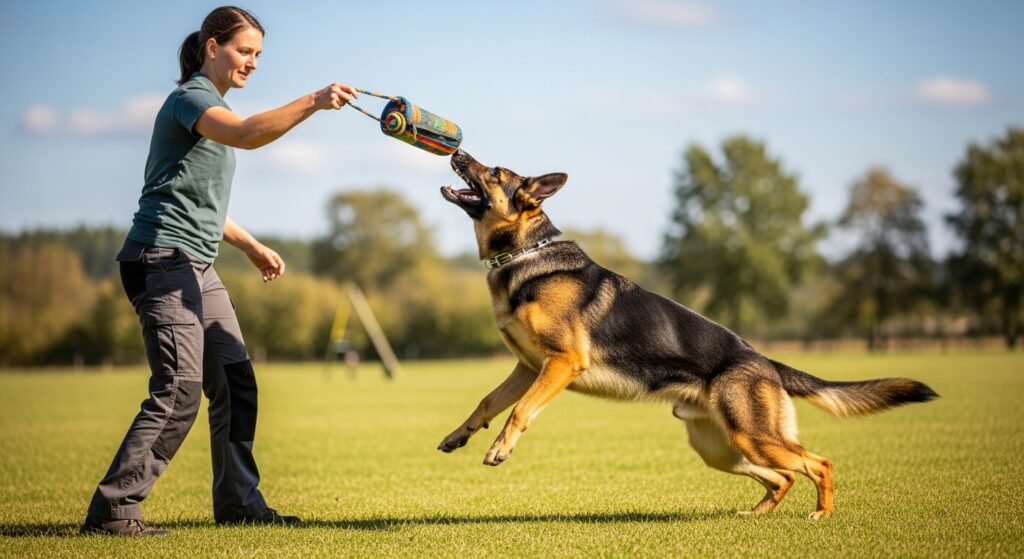
Tug is controversial, but done right, it’s a powerhouse for building grip strength and trust. Use a sturdy rope toy, start with enthusiastic pulls, then teach “out” or “give” by offering a high-value treat mid-game. For Shepherds, who often work with bite sleeves, this mimics protection training while reinforcing that you control the fun. Limit sessions to 2-3 minutes to avoid overstimulation, and always end with you winning to establish boundaries.
3. Hide-and-Seek: Enhancing Search Skills
Tap into their scenting superpowers with a backyard (or apartment) game of hide-and-seek. Hide treats or a favorite toy, cue “find it,” and let them sniff it out. As they master easy spots, add distance or obstacles. This not only boosts nose work—perfect for future tracking enthusiasts—but also improves problem-solving and reduces leash reactivity by making “find” a default adventure command.
4. Puzzle Toys and Brain Teasers: Mental Workouts
German Shepherds are boredom’s worst enemy, so puzzle feeders like Kongs stuffed with peanut butter or treat-dispensing balls keep idle paws busy. Incorporate training by requiring a “sit” or “paw” before dispensing rewards. Rotate toys weekly to maintain novelty, turning mealtime into a 10-minute IQ test that tires them out more than a walk.
5. Agility at Home: Coordination and Obedience Drills
No fancy course needed—stack boxes for jumps, weave chairs for slaloms, or balance a board on cushions for teeter-totters. Guide with voice cues like “tunnel” or “over,” layering in sits and stays. This breed shines here, as agility satisfies their herding roots while teaching body awareness and quick responses.
6. Herding Simulations: Instinctual Fun
Channel their pastoral past with flirt poles (a lure on a string) or even a sock puppet dragged across the floor. Command “take it” or “leave it” to practice self-control. For advanced pups, introduce light herding balls to mimic livestock rounding—supervised, of course, to keep it playful.
7. Soccer or Bubble Chase: Unstructured Joy
For pure decompression, kick a soccer ball or blow dog-safe bubbles. These low-stakes games encourage gentle herding without intensity, ideal for rainy days or post-training cooldowns. They’re gold for building environmental confidence in urban settings.
Step-by-Step Guide: Incorporating Play into Your Training Routine
Integration is key—don’t bolt play onto sessions; weave it in seamlessly. Here’s a blueprint:
- Assess Drive and Preferences: Observe what lights your Shepherd up—chase, tug, or sniff? Start with 5-minute warm-ups using their fave.
- Structure Sessions: Alternate drills and play in 15-20 minute bursts. Example: Teach “heel” for 5 minutes, then reward with 5 minutes of fetch. Use play as a bridge: “Good heel—now fetch!”
- Layer Commands Gradually: Begin with basics (sit for toy toss), advance to chains (down-stay during hide-and-seek). Consistency is queen—same cues, every time.
- Track Progress: Journal wins, like faster recalls, to stay motivated. Adjust for age: Puppies need shorter, sillier games; adults crave complexity.
- Cool Down Mindfully: End with calm play, like gentle rolling a ball, to signal session’s over and prevent over-arousal.
Remember, patience pays off. A wobbly start is normal; celebrate small victories with extra zoomie time.
Common Pitfalls and How to Avoid Them
Even the best intentions can backfire. Here’s how to sidestep traps:
- Overdoing Intensity: Shepherds amp up fast—watch for stiff tails or hard stares signaling stress. Solution: Short bursts and body language reads.
- Inconsistent Rules: Letting tug escalate one day and banning it the next confuses them. Fix: Set firm “out” cues from day one.
- Skipping Basics for Flash: Jumping to agility without solid sits invites frustration. Build foundations first.
- Punishing Play: Yelling mid-game erodes trust. Stay positive—redirect, don’t reprimand.
- Ignoring Individual Needs: Not every Shepherd loves the same game. Tailor to your dog’s personality.
By dodging these, you’ll keep training a highlight, not a chore.
Real-Life Success Stories: Play in Action
Take Max, a 2-year-old rescue Shepherd who arrived fearful and leash-reactive. His owner swapped force-based walks for flirt-pole sessions, layering in “look at me” cues. Within weeks, Max’s focus sharpened, and park outings became joyrides—proof that play rebuilds confidence. Or consider Luna, a working-line pup prepping for protection sports. Daily tug drills with release commands honed her bite work, turning raw power into precision. Owners rave: “Play made her eager, not anxious.”
These tales aren’t anomalies; they’re the norm when play leads the way.
Using play as a training tool isn’t just effective—it’s transformative for your German Shepherd. It honors their heritage, fuels their fire, and forges a partnership built on laughter over lectures. Start small today: Grab a toy, hit the yard, and watch your dog light up. You’ll both emerge stronger, happier, and ready for whatever adventure comes next. After all, in the world of German Shepherds, the best-trained dogs are the ones who play to win.
References
- American Kennel Club (AKC). “The Best Sports To Do With Your German Shepherd Dog.” https://www.akc.org/expert-advice/lifestyle/the-best-sports-to-do-with-your-german-shepherd-dog/ (Accessed October 2025).
- German Shepherd Shop. “9 Games Every German Shepherd Owner Should Play With Their Dog.” https://germanshepherdshop.com/blogs/list/9-games-every-german-shepherd-owner-should-play-with-their-dog (Accessed October 2025).
- Karen Pryor Academy. “Unleashing Joy: The Importance of Play.” https://karenpryoracademy.com/the-importance-of-play/ (Accessed October 2025).
- Kinship. “Improve Your Dog’s Training Success Through Play.” https://www.kinship.com/dog-behavior/play-improves-dog-training-success (Accessed October 2025).
- GSD Colony. “German Shepherd Indoor Activities (Ultimate List).” https://gsdcolony.com/blogs/news/indoor-activities-for-german-shepherds (Accessed October 2025).
- Happy Dog Training. “Play is the Way!” https://happydogtraining.info/advice/play-based-dog-training/ (Accessed October 2025).